Orangutans in Malaysian Borneo: Meeting Them On a Budget: Sepilok Orangutan Rehabilitation Center
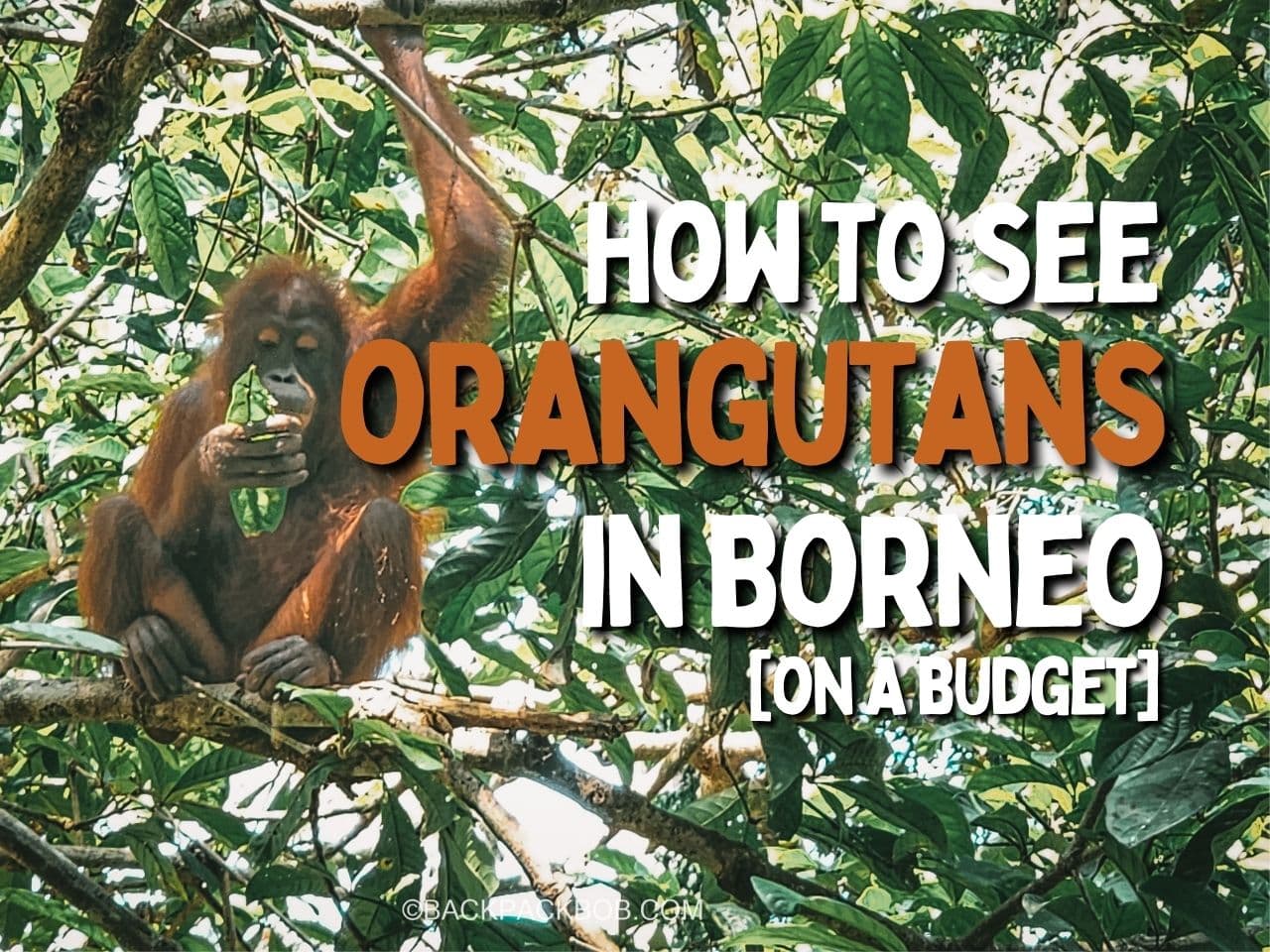
Seeing Orangutans in the wild is awesome, they're basically humans, and I'm convinced they can speak. Orangutans are an icon of Borneo, which is one of the only remaining places in the world, where they are known to live in the wild. There was no chance that I was going to travel to Malaysia, and not venture out to meet them. It doesn't cost as much as you might think to see Orangutans in Borneo, flights were cheap and you can either take a cruise down the river to spot them or visit one of the two sanctuaries in Borneo.
Borneo isn't a country. This is something I learned when I was planning a trip to Malaysia. Borneo is the third largest island on Planet Earth. Surpassed only by Papua New Guinea, and Greenland. The Island of Borneo is divided into three countries. Malaysia governs the north, and the south belongs to Indonesia. Brunei is the third country geographically located in Borneo.
Borneo is home to a diverse range of wildlife, including orangutans, elephants, bears, crocodiles, and Leopards. It is also home to some of the most extensive rainforests on Earth.
The Sepilok Orangutan Center is where we were lucky enough to see orangutans in Borneo.We decided to fly to Sandakan because the town was near to both, the Kinabatangan River, and the Sepilok Sanctuary.
In this guide, I will share the details you need to help plan a trip to see orangutans in Borneo. I will outline the four best places to consider, with a focus on visiting the Sepilok Orangutan Center, because this is where we saw orangutans.
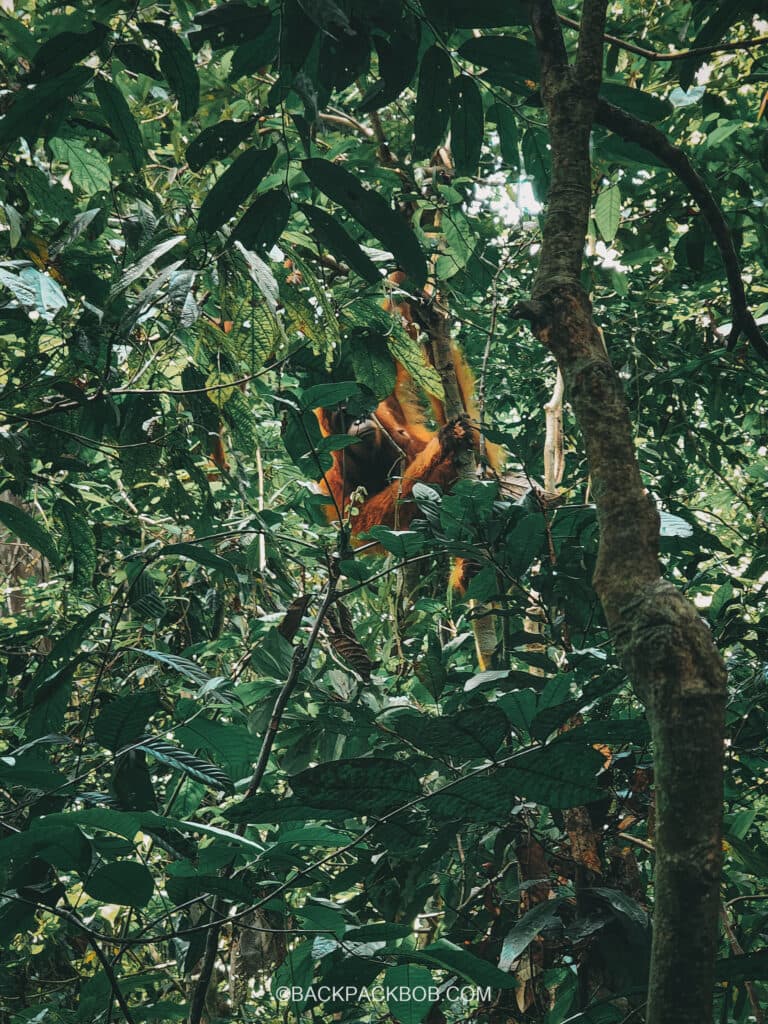
Visitors to Borneo have two popular and affordable choices for seeing Orangutans: in the wild or in an Orangutan Sanctuary. To see Orangutans in the wild, you can take a river cruise in Sabah, or go on a guided hike in the Sarawak National Park. If you don't any have luck spotting Orangutans in the wild, you can visit an Orangutan Sanctuary, where you will have a better chance of seeing them.
Malaysian Borneo is divided into two states, Sarawak in the west and Sabah in the east. Each state has one orangutan sanctuary. The most popular place to see orangutansin the wild in Sabahis the Kinabatangan River, and the most popular place to see orangutansin the wild in Sarawakis Batang Ai, National Park.
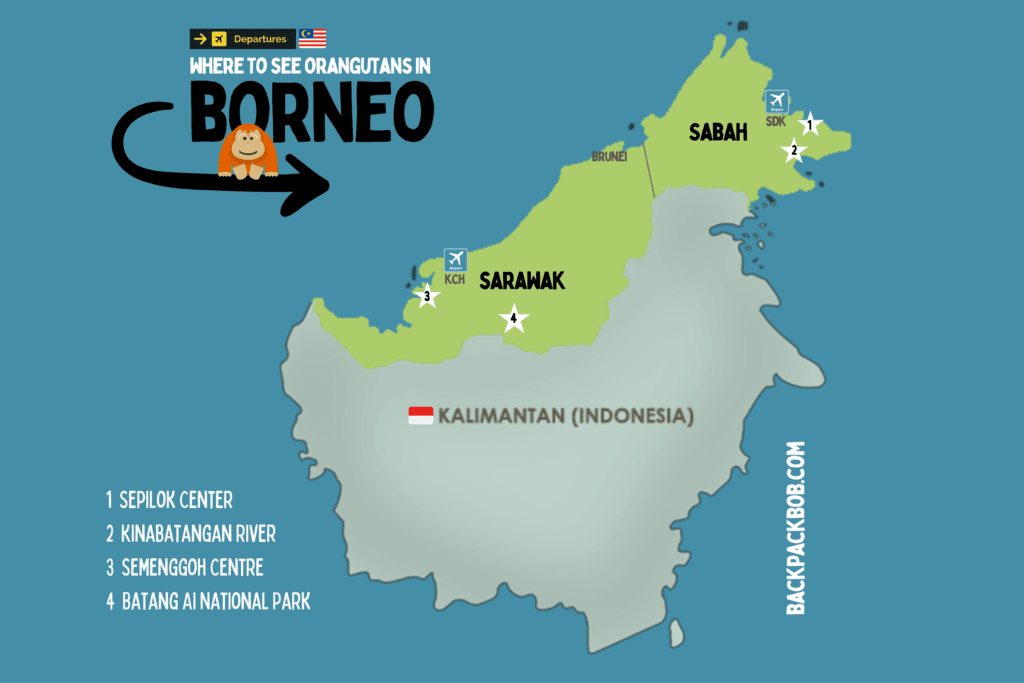
Seeing Orangutans in the wild is more difficult than we had anticipated. But it's far more rewarding, if successful. You can take your chances of spotting orangutans in the wild on a river cruise or in a national park, but you'll need to book an overnight tour package for the best chance of sighting them. The best time to see orangutans in the wild is during the dry season, from May to September. The most popular place to see orangutans in the wild in Sabah is the Kinabatangan River, and the most popular place to see orangutans in the wild in Sarawak is in the Batang Ai National Park.
If you're not able to spot Orangutans in the wild, due to time or luck. You can visit an orangutan rehabilitating centre. Sometimes called Orangutan sanctuaries, these centres help orangutans who have been orphaned or injured while still allowing them to live free in the rainforest. The animals in sanctuaries are wild and free to roam wherever and whenever they like, but they are more used to humans and therefore easier to see.
The most popular orangutan sanctuaries in Borneo are the Sepilok Orangutan Rehabilitation Centre in Sabah and the Semenggoh Orangutan Rehabilitation Centre in Sarawak.
The Semenggoh Center(10 MYR) is located around one hour from Kuching Town, and the Sepilok Center(30 MYR) is located around 45 minutes from Sandakan Town.
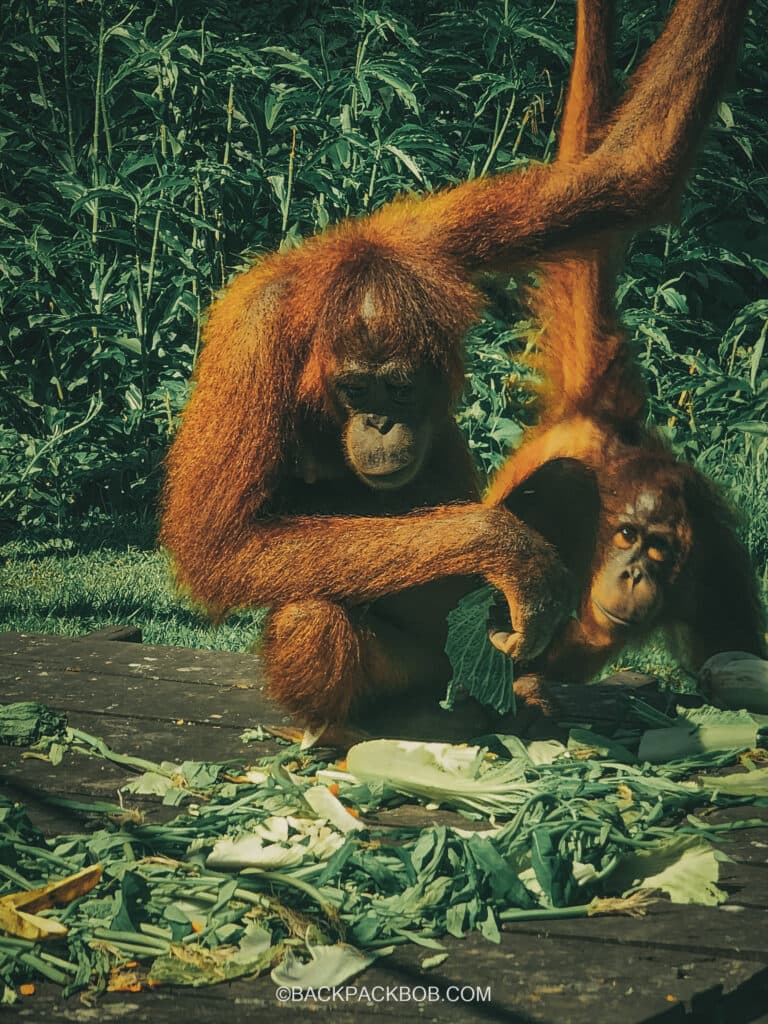
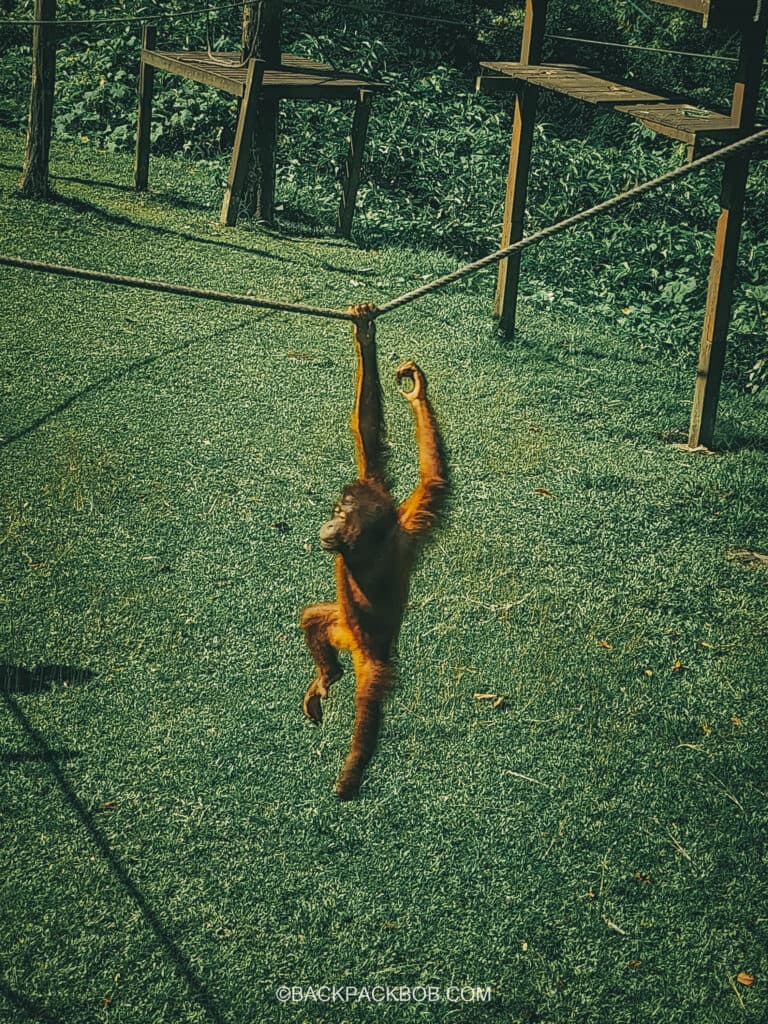
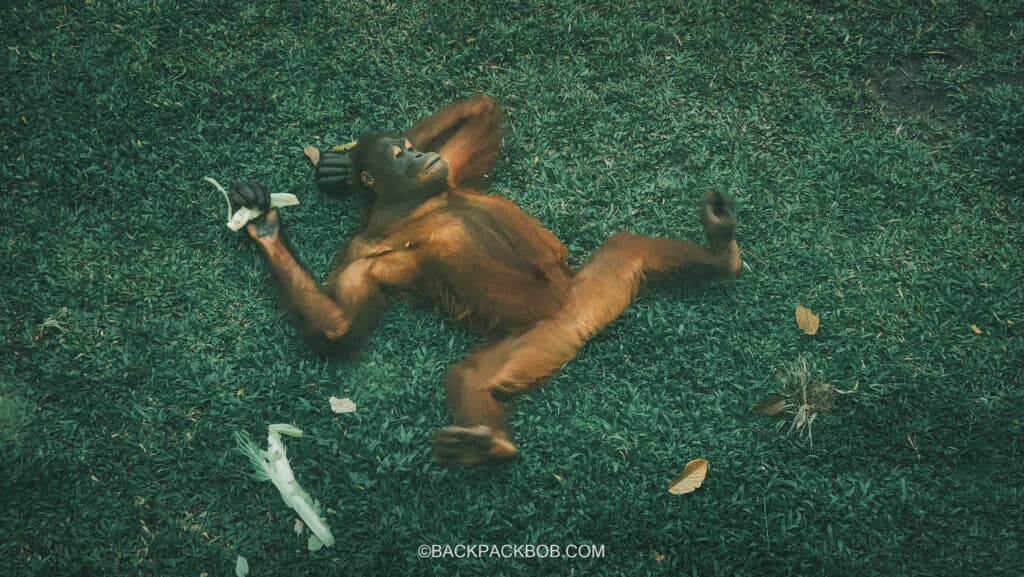
It's a common misconception, that you need to be ultra-wealthy to go and see Orangutans in Borneo, but what I told you you don't have to be. It's totally possible to see Orangutans on a Budget.
After travelling to Sandakan, a town in the state of Sabah. We initially took a half-day cruise in the evening along the Kinabatangan River looking for Orangutans, which cost us 230 MYR (£40), although, sadly, we did not spot any Orangutans on the river cruise. We did see them at the Sepilok Rehabilitation Center, our backup plan, which cost 30 MYR (£5) to visit.
If your intention is to see Orangutans in a Rehabilitation Center you don't need to book anything in advance, other than flights and a hotel. But if you plan to take your chances on seeing Orangutans in the wild (which I recommend you do), you'll need to book a tour.
The Kinabatangan River Tours leave from Sandakan and include transport and meals. We did a half-day package, but if you have the time I recommend doing the 2D1N package.
If you are heading to Kuching, in Sarawak. The Batang Ai National Park is remote, but it's also the best place to see Orangutans in Borneo. It takes five hours to drive there, so an overnight package is essential.
There are two popular Orangutan Rehabilitation Centers in Malaysian Borneo, which allow tourists to visit. The Semenggoh Centre, in Sarawak. And the Sepilok Center, in Sabah. Both centres have airports nearby.
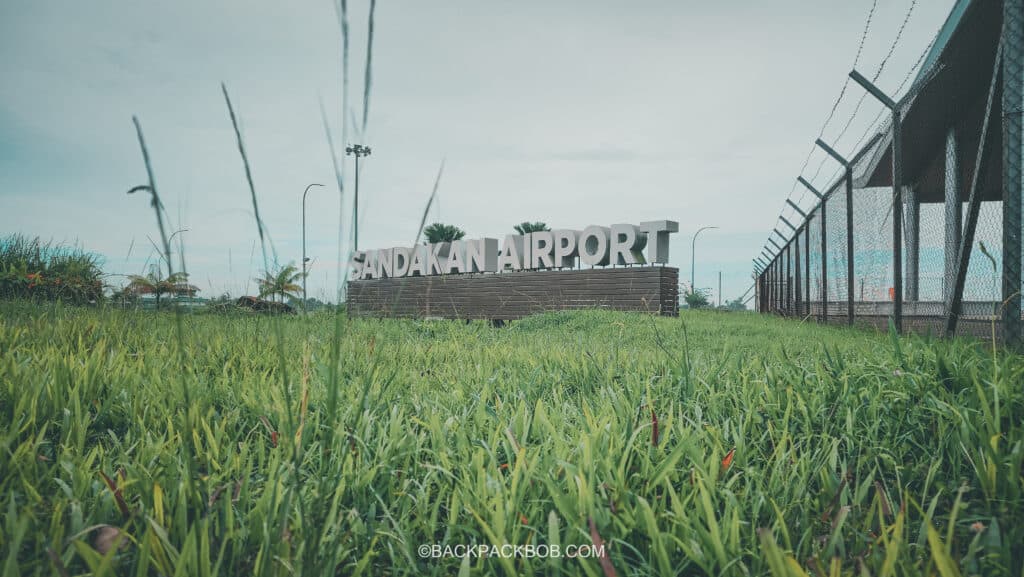
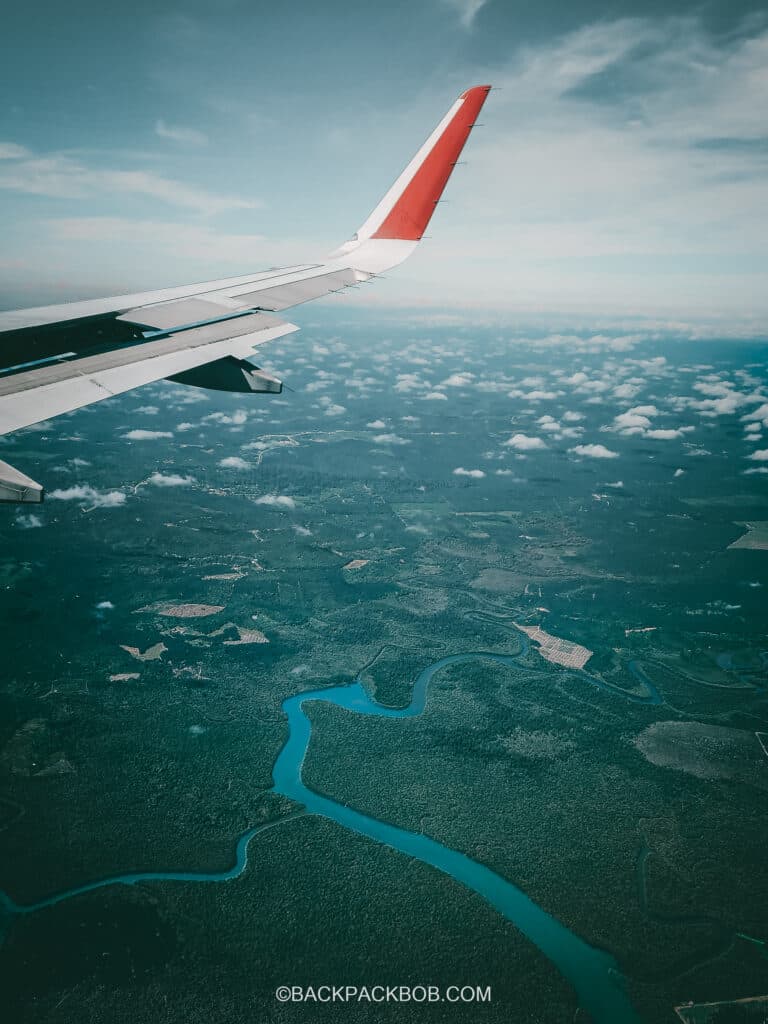
We flew into Sandakan since we hoped to see Orangutans on a Kinabatangan River Cruise, (we didn't). But we had the Sepilok Orangutan Center nearby, as a backup, where we were successful.
Orangutan Rehabilitation Centers work with juvenile orangutans who have lost their mothers due to poaching, habitat loss, or other events. These centres provide the orangutans with food, shelter, and medical care, but most importantly they also teach them the skills they need to survive in the wild.
One of the most important things that orangutans learn in rehabilitation centres is how to climb trees. They need to be able to climb trees in order to find food, build nests, and avoid predators. It isn't something that comes naturally. Orangutans learn the behaviour from their mothers.
Visiting either the Sepilok or the Semenggoh Rehabilitation Center is the cheapest way of seeing Orangutans in Borneo, while at the same time supporting the efforts of these centers. You also have an almost guaranteed chance to see the Orangutans up close at a centre.
The Sepilok Orangutan Rehabilitation Center is one of the largest and most successful orangutan rehabilitation centres. The centre has helped to release hundreds of orangutans back into the wild.
The centre was founded in 1964 by Barbara Harrison, an Englishwoman who was passionate about protecting orangutans. Today, Sepilok provides support to over 60 wild orangutans, of all ages
We went to visit the Sepilok Rehabilitation Center in Borneo, so here are the details you'll want to know before you visit.
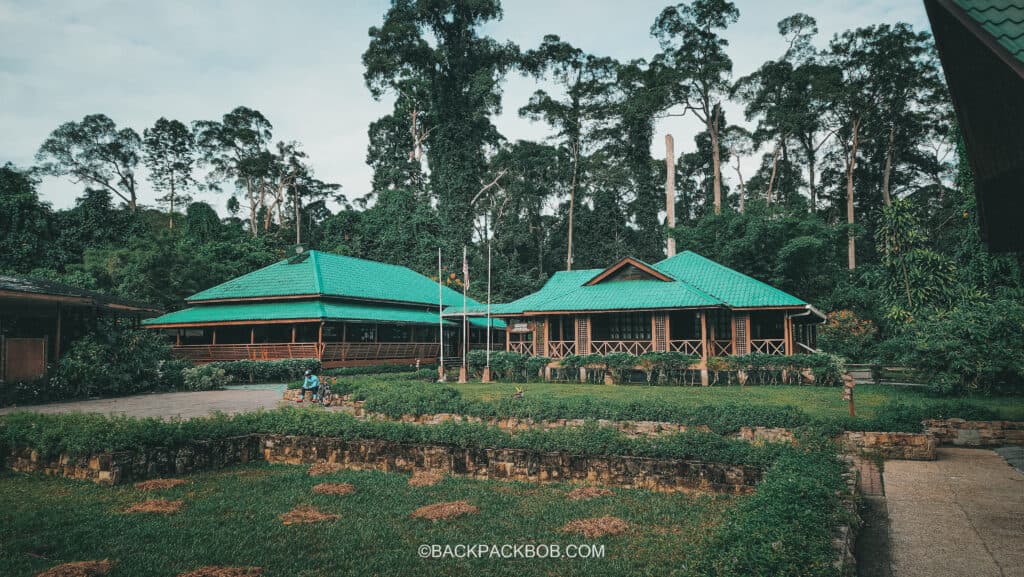
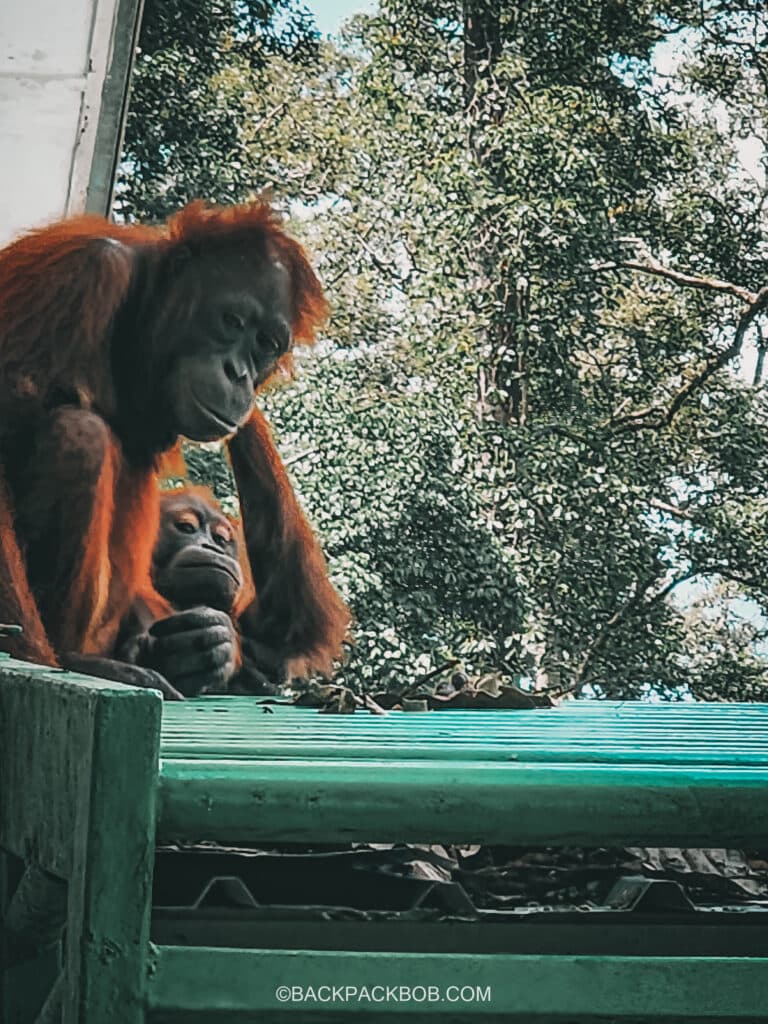
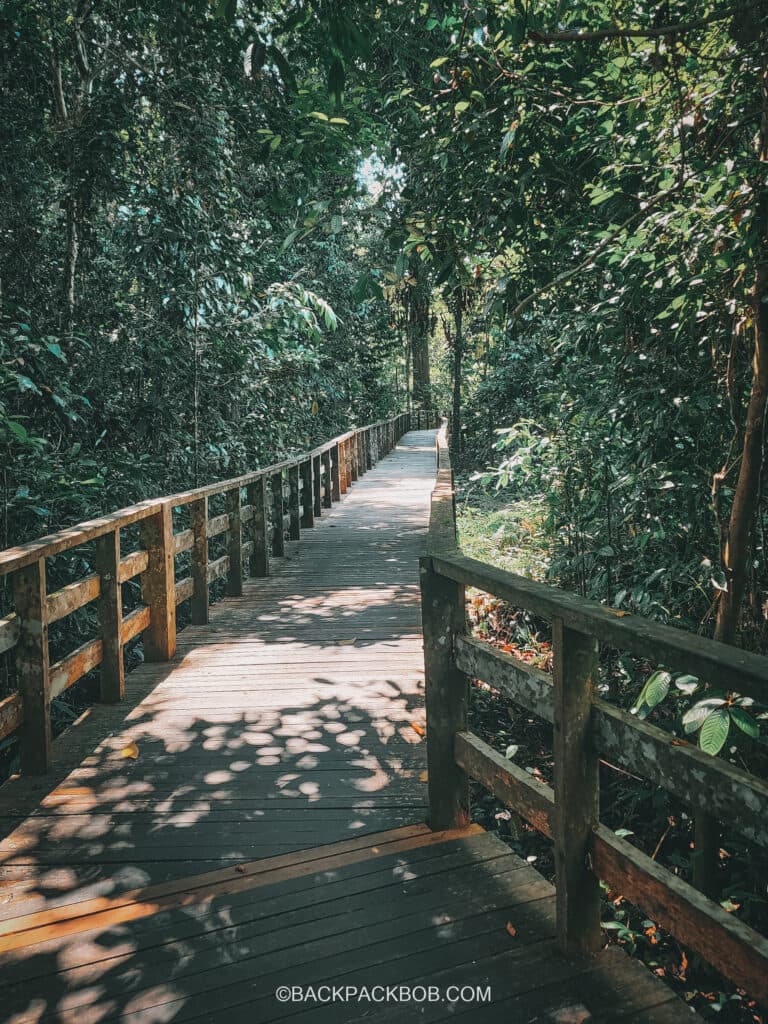
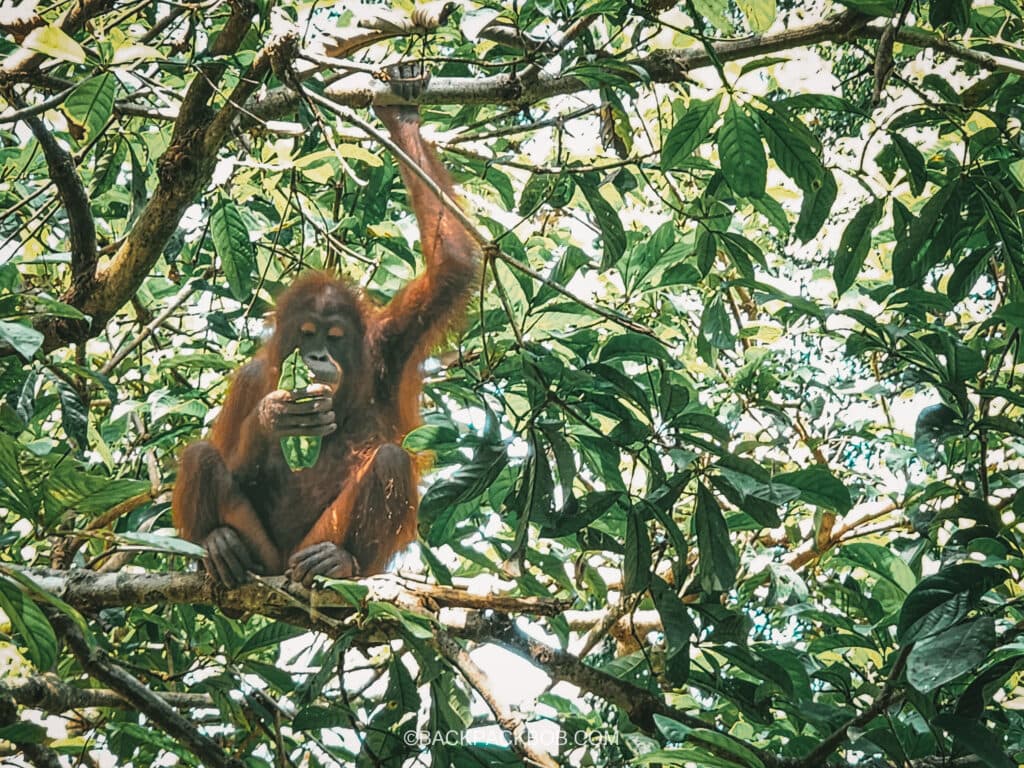
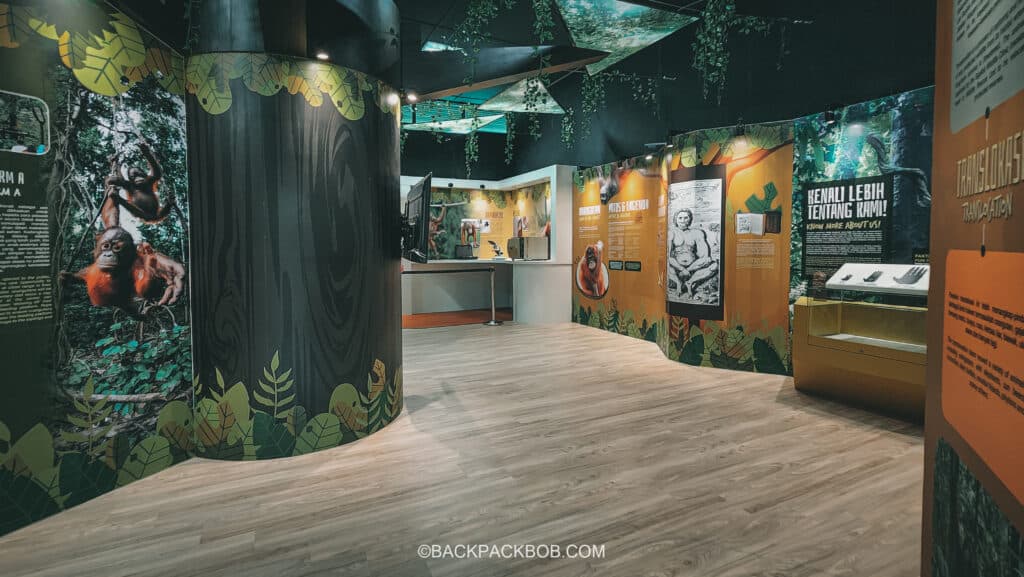
I had mixed feeling about Sepilok,obviously,there is a problem in Borneo. Orangutans are fast becoming extinct, and someone needs to act to prevent that. But the fact that the core issue of deforestation in Borneo is being overlooked, is an issue in itself. However, the fact that someone is making positive changes is good. The centre has successfully rehabilitated over one hundred Orangutans, (although a lot of them are now dependent on food from humans).
Orangutans raised at the centre from a young age are desensitized to humans, despite the centre's strict hands-off approach.
But don't get me started on the type of tourists who visit the centre.
Everyone is instructed to remain silent while observing the Orangutans, so it'salmostcomical to listen to the crowd instantly forget this vital information, the second an Orangutan showed up to feed.Cheering while the Orangutans eat and booing whenever a Macaque Monkey showed up like they are watching a fucking pantomime, the absoluteMorons.
To be honest, the place would be far better for the Orangutans if humans did not visit. But it's a Catch-22 situation. Without allowing people to visit, donations will lessen and the centre won't be able to afford the rehabilitation.
But the fact is, that as soon as tourists are invited to an animal sanctuary it becomes one step closer to becoming a zoo.
Although the hoards of tourists here create an atmosphere similar to a zoo. It is not a zoo. And the Orangutans are free to roam wherever they like. The Sepilok Rainforest covers 43 sq. km. 99% is filled with dense virgin lowland equatorial rainforest, less than 1% is accessible to tourists.
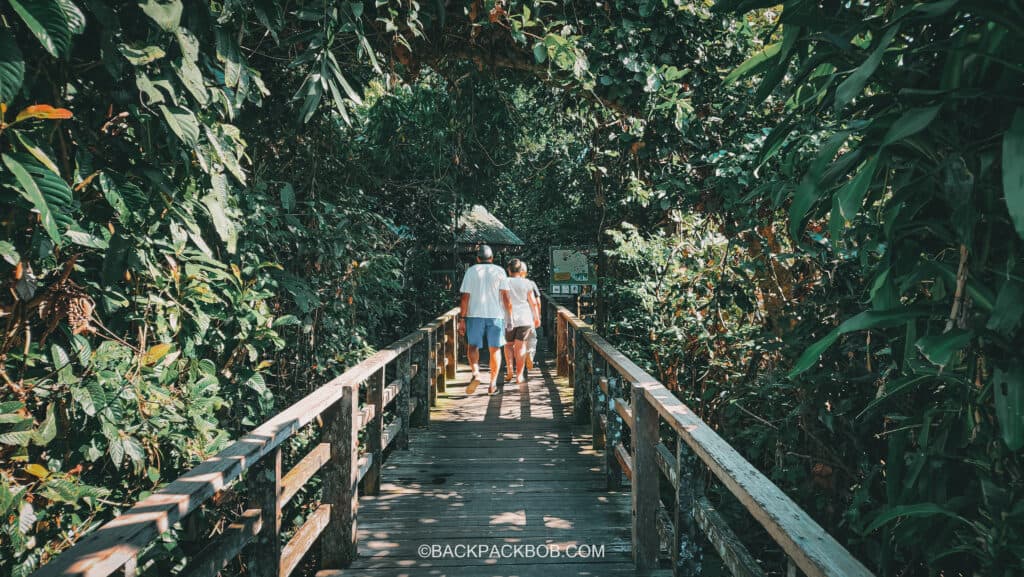
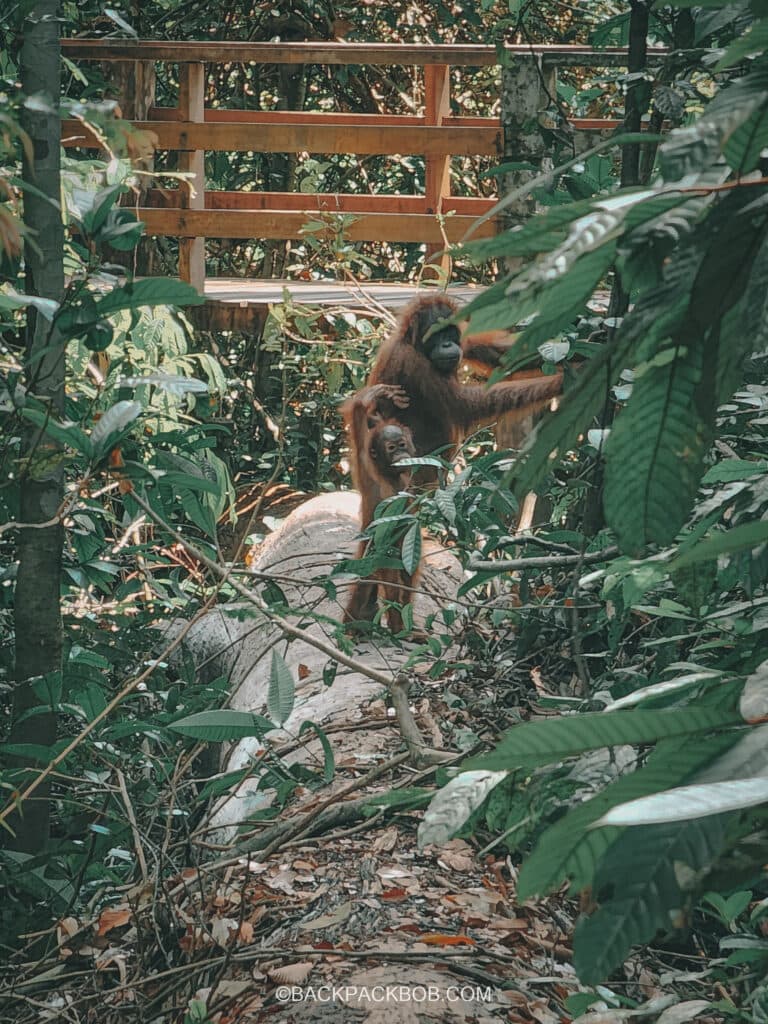
We were reminded that the Orangutan Rehabilitation Center wasn't a zoo after we spotted an Orangutan on the boardwalks.
Most tourists who come to Sepilok will arrive in the morning, watch the Orangutans show up to feed at 10.00 am and then leave the center to visit the Sun Bear Sanctuary across the road.
We initially followed the crowds and saw the Orangutans feeding, at a distance. When we left with everyone else, we soon realized how deserted the center must be after everyone had exited.
Deciding to take advantage of that we swiftly turned around and headed back inside, and I'm pleased we did. Because with the crowds dispersed the Orangutans were closer and more brazen than before.
There were no more than a few other other people still hanging around, walking around the boardwalks hoping to spot an Orangutan up close. And we were totally alone when we saw one.
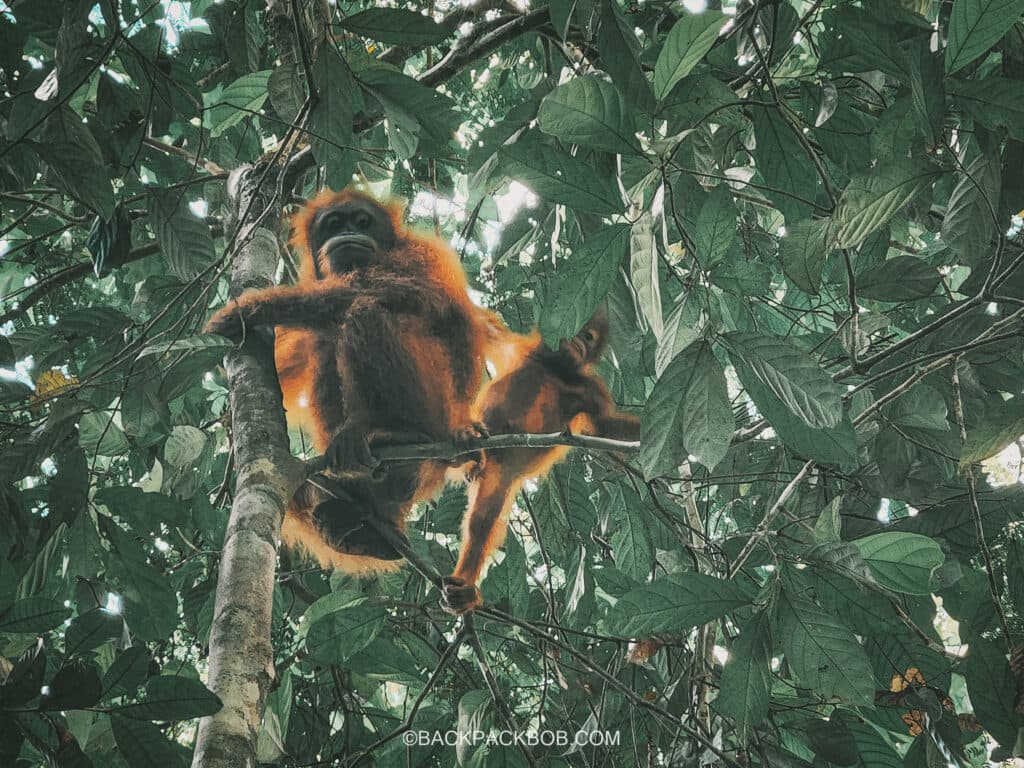
A mother and her young baby, climbed up on the boardwalk from below, before strolling along the path, (built for humans), and the climbing up into the tree above. It was such a surreal experience to have, with no other people around. Great Success.
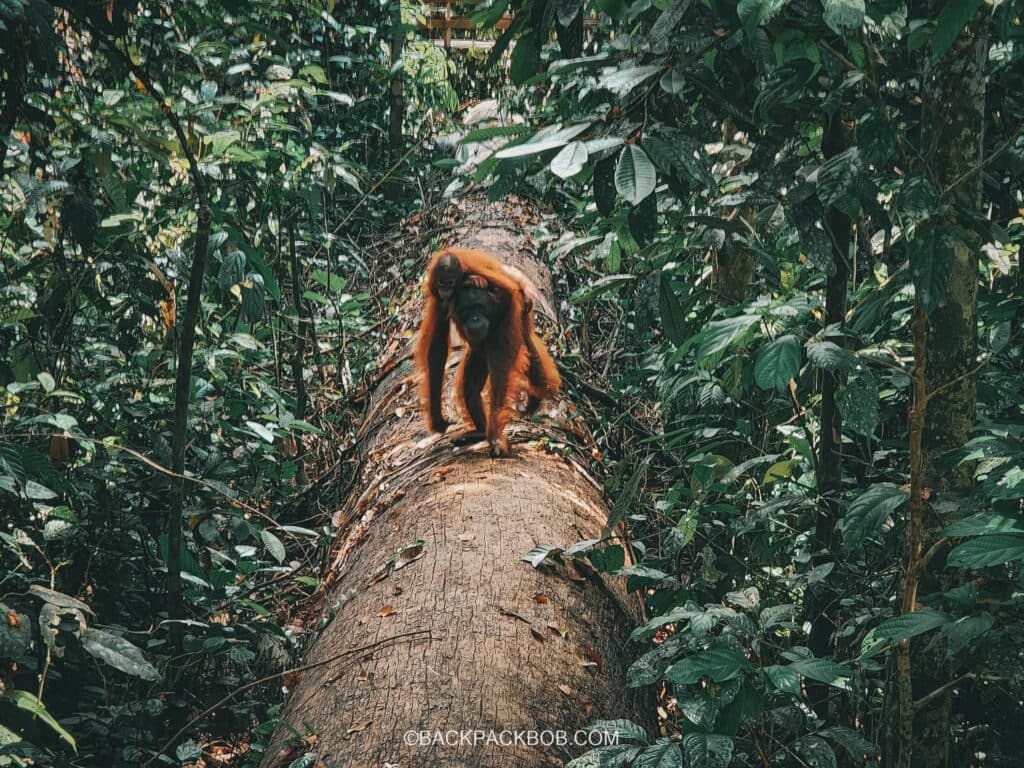
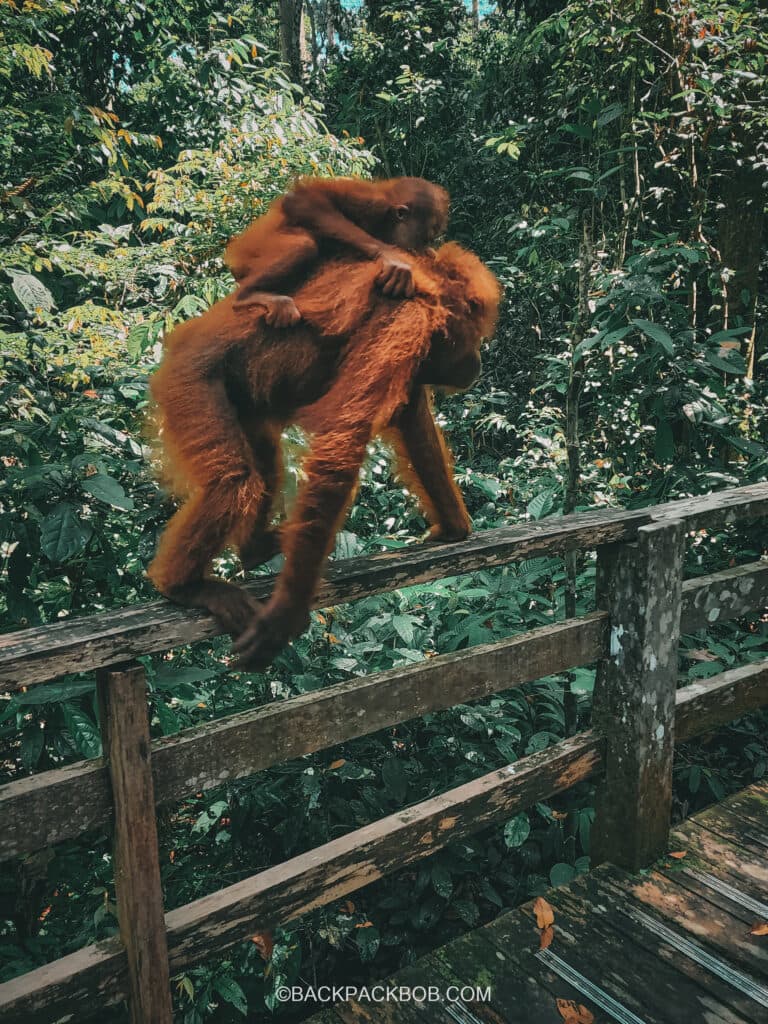
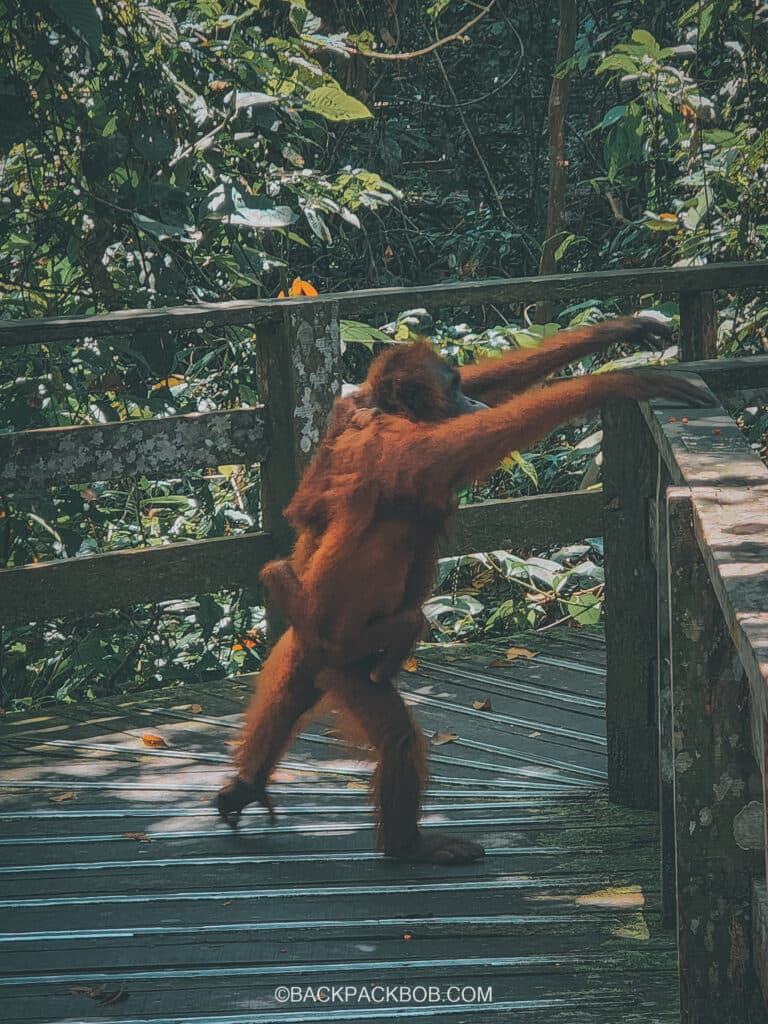
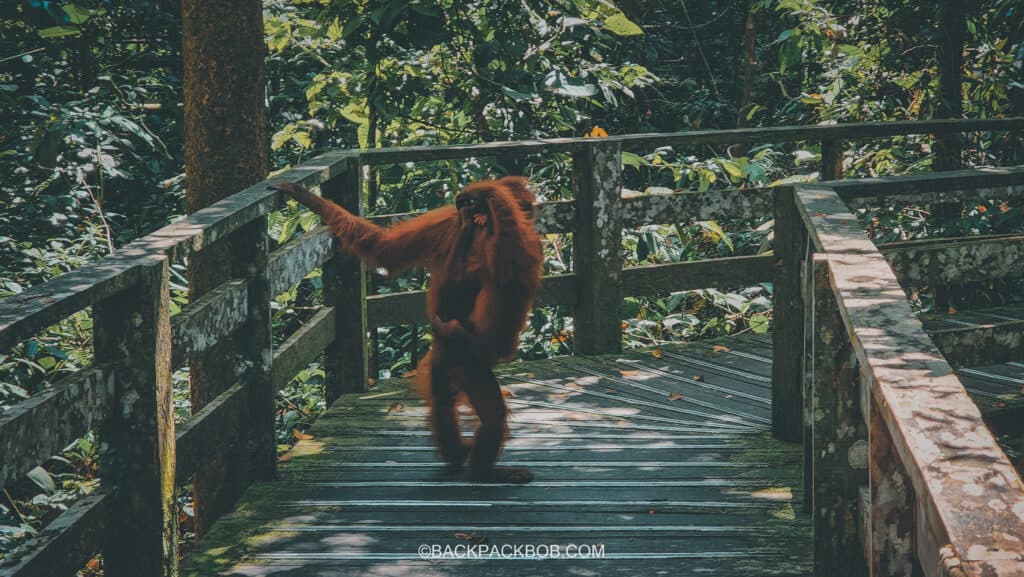
It'salmostguaranteed that you'll be able to see Orangutans at Sepilok
After successfully completing rehabilitation, released orangutans still have the option to come to the center to feed, and food is left out twice daily for them. Some Orangutans depend on the center for the rest of their lives, while others never or occasionally return, preferring to find their own food.
The food is left out for the Orangutans in a platform up in the trees. There is a wooden decked viewing area opposite the feeding platform, for tourists to watch from. The viewing area is completely open so you can get good photos, (if you can see past the crowds).
The Orangutans are fed at 10.00am and 15.00 pm. You can also see the infant Orangutans being fed at 9.30am. I urge you to hang around in the center after the feeding times until midday. Doing so gave us the opportunity to see more Orangutans up close, with fewer people.
The local minibus is how we got from Sandakan town to Sepilok, (although we later found out a taxi was cheaper)! The bus stop is outside the local market, a short walk from Harbor Mall ( Google Maps Link). The bus fare is 10 MYR per person. Only the minivans withorange stripesgo to Sepilok, purple and blue vans do not.

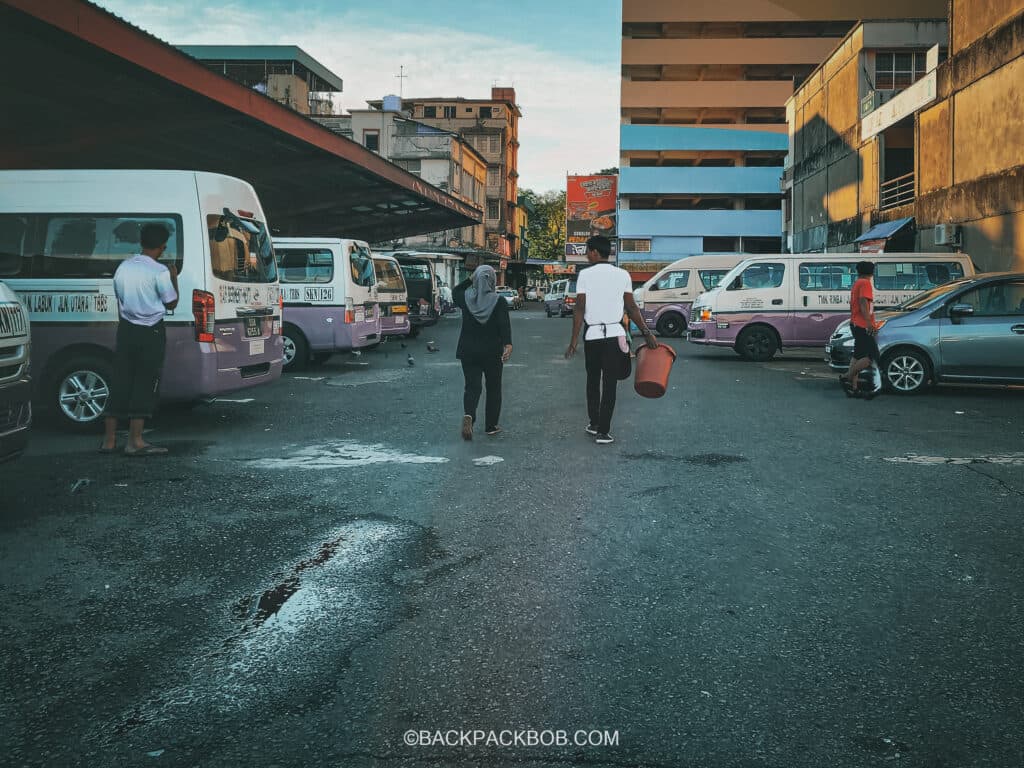
The bus stop is about 1 kilometer from the Sepilok center entrance, but there are taxis waiting there that will drive you for 5 MYR. You can also walk to the center entrance in about 10 minutes.
The first bus leaves Sandakan at 7:00 AM and the next is at 9:00 AM. It takes about an hour to drive to Sepilok, so I recommend taking the 7:00 AM bus to arrive before the orangutan feeding times.
Taking the bus is the cheapest optionif you are traveling solo. However, when we ordered a Grab Taxi to bring us back to Sandakan town, we found the price was cheaper than the bus. We paid 22 MYR for a taxi and wished we had taken the taxi to get there too.
Note:The bus fare from Sandakan to Sepilok has increased to 10 MYR post-covid. Some websites still advertise the old fare of 2 MYR, which is no longer valid.
We stayed in the town of Sandakan, which was a very welcoming place. We stayed at the Marine Bay Hotel (80 MYR), which I would recommend. It's only a few kilometers from Sepilok and easy to travel between the two by bus or taxi.
You can also stay in Sepilok itself, we decide not to, because the area is pretty remote. In fact, one of the lodges ( The Sepilok Forest Edge Resort), is located in the same part of the rainforest as the Sepilok Orangutan Sanctuary! And yes, there is a chance you'd be able to see Orangutans from your hotel room if you are lucky.
There are five lodges in Sepilok itself. The average cost is around £60/$72 per night. But some of the more luxurious rooms cost a lot more. You can also find deals for lower rates. These are the six nature lodges in Sepilok, and all of them are within walking distance of the Sepilok Orangutan Center.
Deforestation is the biggest threat to orangutans.Orangutans are critically endangered, one step away from being declared extinct in the wild. There are fewer than one hundred thousand that remain. Humans are clearing the rainforests of Borneo to grow palm oil, which is used in a variety of products, including biofuels and food. This is destroying the orangutans' habitat and leaving them with nowhere to live.
Borneo has the perfect climate and land for growing palm oil, and over 85% of the world's supply comes from Malaysia and Indonesia. The demand for palm oil is huge, and this is driving deforestation at an alarming rate.
Orangutans are highly intelligent and social animals, and they need the rainforest to survive. Find out how you can help, here.
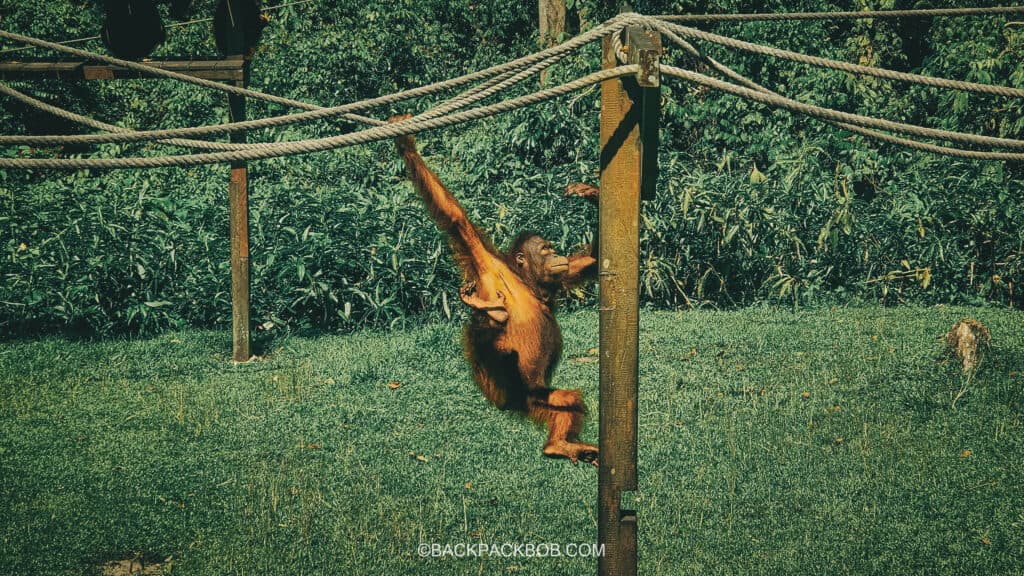
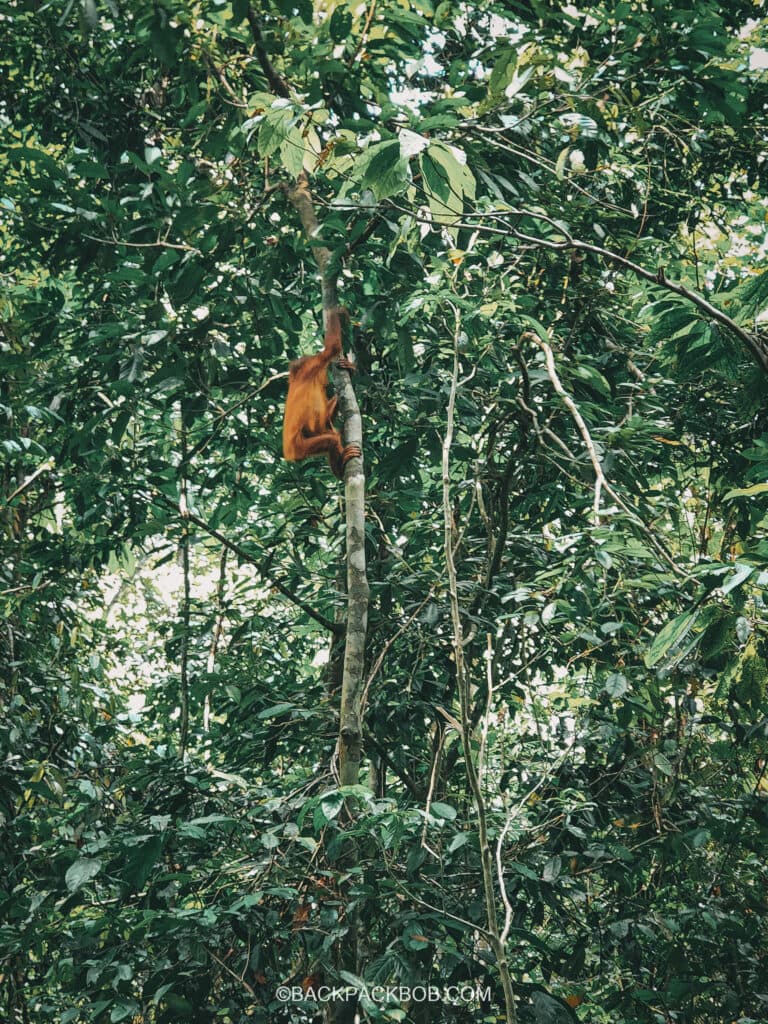
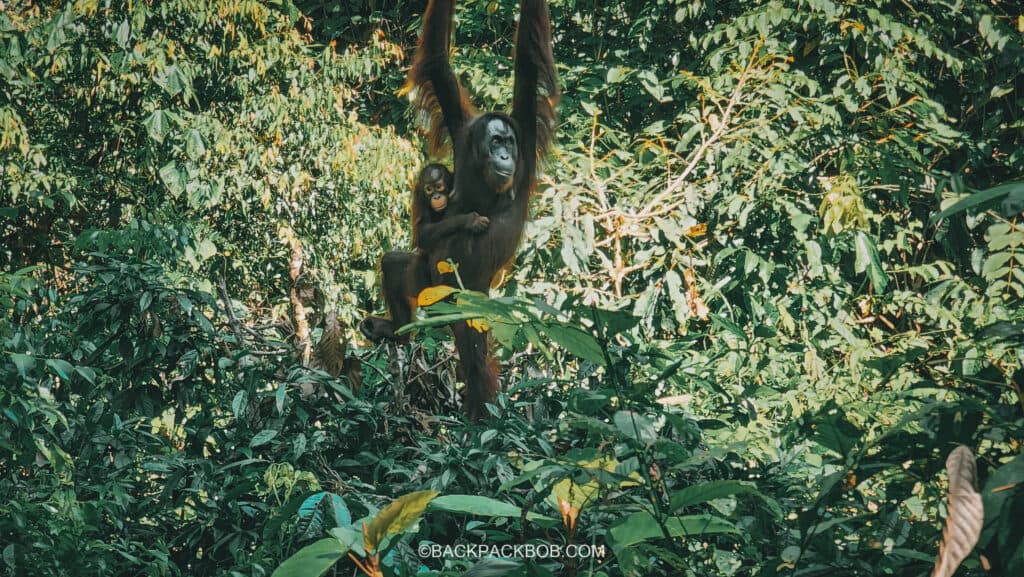
Orangutans are amazing animals that are known for their human-like intelligence, (I know they can talk). There are only two places in the world where orangutans can be found in the wild: Borneo and Sumatra. In Borneo, you can see orangutans in the wild, on a river cruise, or on a guided hike in the rainforest. However, a more budget-friendly option is to visit a rehabilitation center. There is one in each of the Malaysian Bornean states. Visiting a rehabilitation center is a great way to see orangutans in their natural environment and learn about their conservation efforts. Seeing orangutans was a highlight of my trip to Malaysia. It is not as expensive or difficult as people may think to see these amazing animals. I highly recommend adding a visit to a rehabilitation center to your Malaysian itinerary.
Robb, who finds it a little unusual to write about himself in the third person, has been living in Southeast Asia for over 10 years. He works online and is based in Bangkok, Thailand. During this time, he has had the chance to travel extensively throughout this beautiful region.




.jpg&w=640&q=75)


Leave a Comment