Batu Caves in Kuala Lumpur Is It Really Worth Visiting? Colored Stairs, Gold Statues, and Monkeys. Here's What You Need to Know.
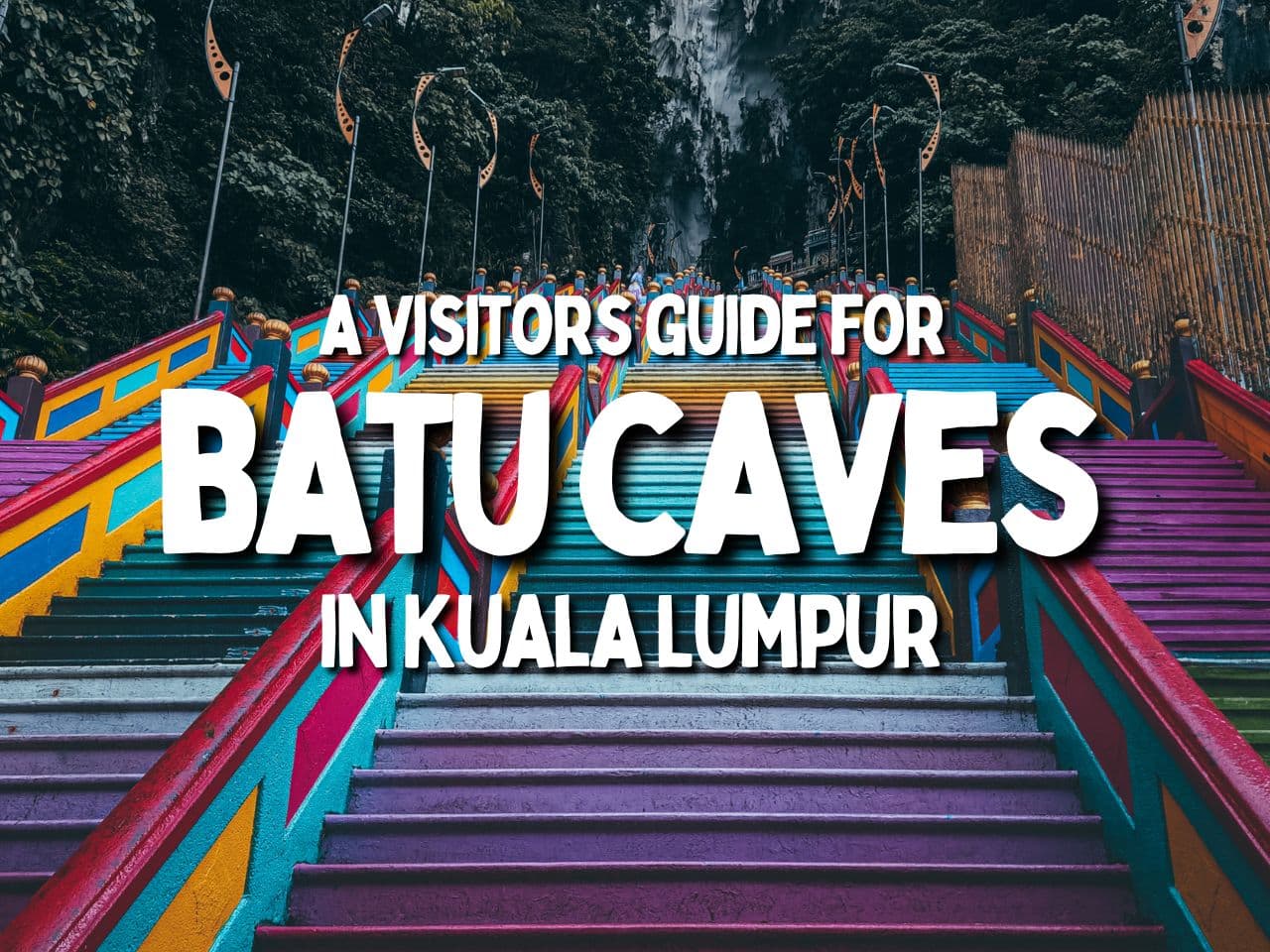
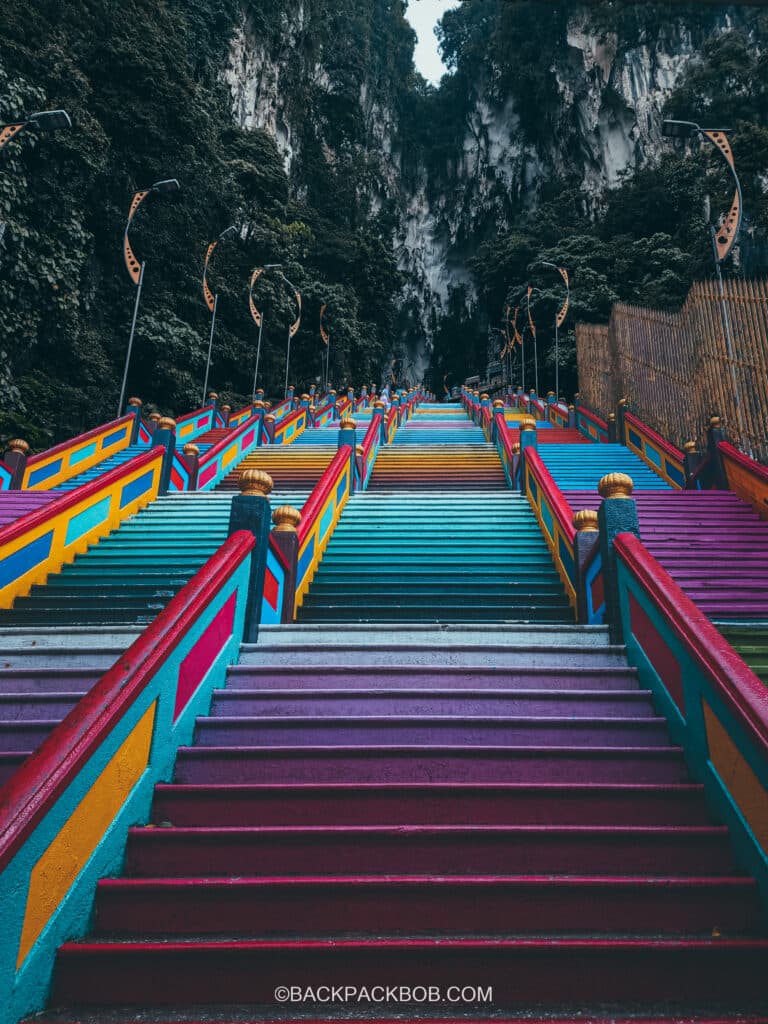
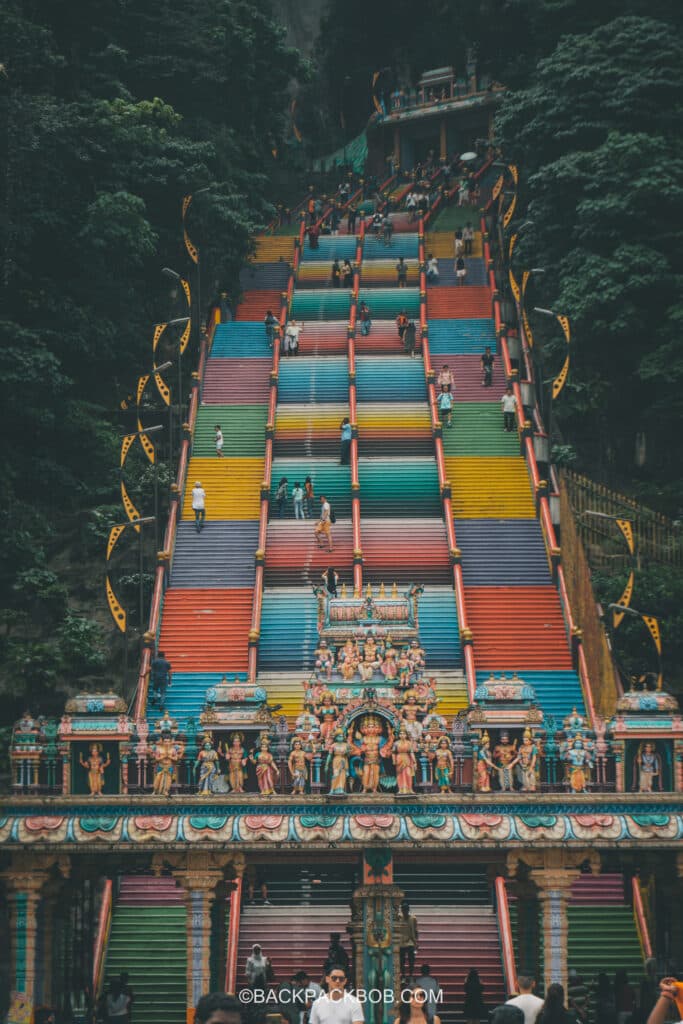
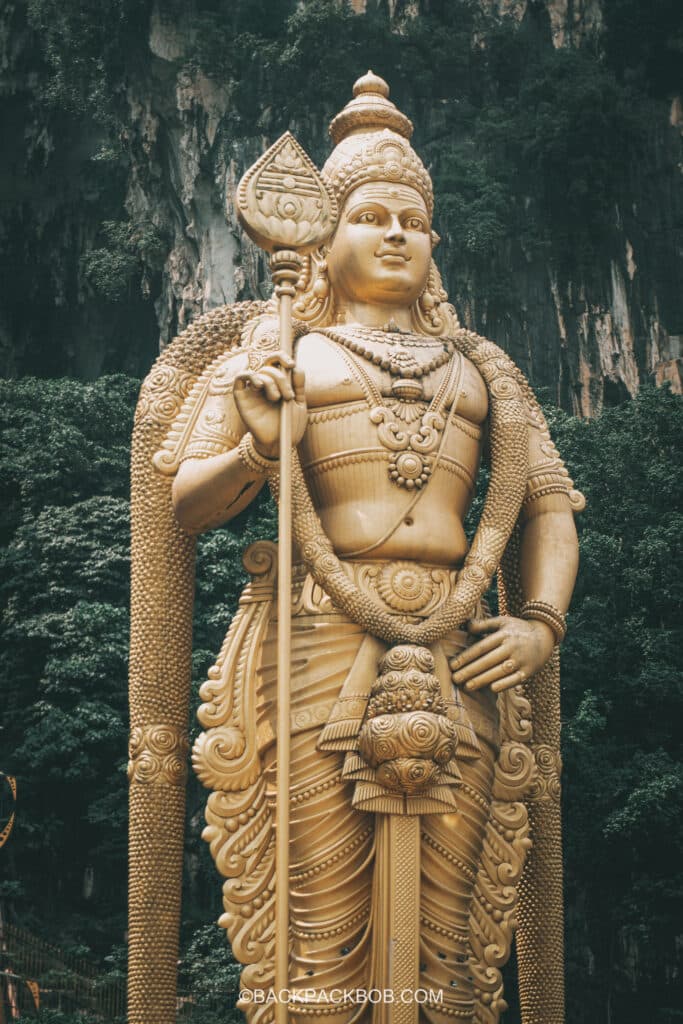
The Batu Caves are one of Kuala Lumpur's most iconic landmarks and for good reason. The 252 steps leading up to the caves are painted with blocks of colour, creating a rainbow effect that is truly stunning. At the bottom of the steps, visitors are greeted by a 100-foot-tall statue of the Hindu God; Kartikeya. The caves themselves are home to an ancient Hindu temple, and the complex is a popular tourist destination for both locals and visitors alike. Find all the information you need to visit the Batu Cave, in this guide.
Batu Caves are a UNESCO World Heritage Site located about 13 kilometers north of Kuala Lumpur city center. The word "Batu" in Bahasa literally means "rock." This is appropriate, as the caves are a series of limestone openings which have been used as a Hindu place of worship for centuries.
The caves are estimated to be over 400 million years old. They were first used by Chinese settlers in the 1800s, but they remained a secret until 1878, when an American tourist discovered them and announced their existence to the world.
In 1890, Malaysian leaders dedicated the caves to Lord Murugan, the Hindu god of victory.
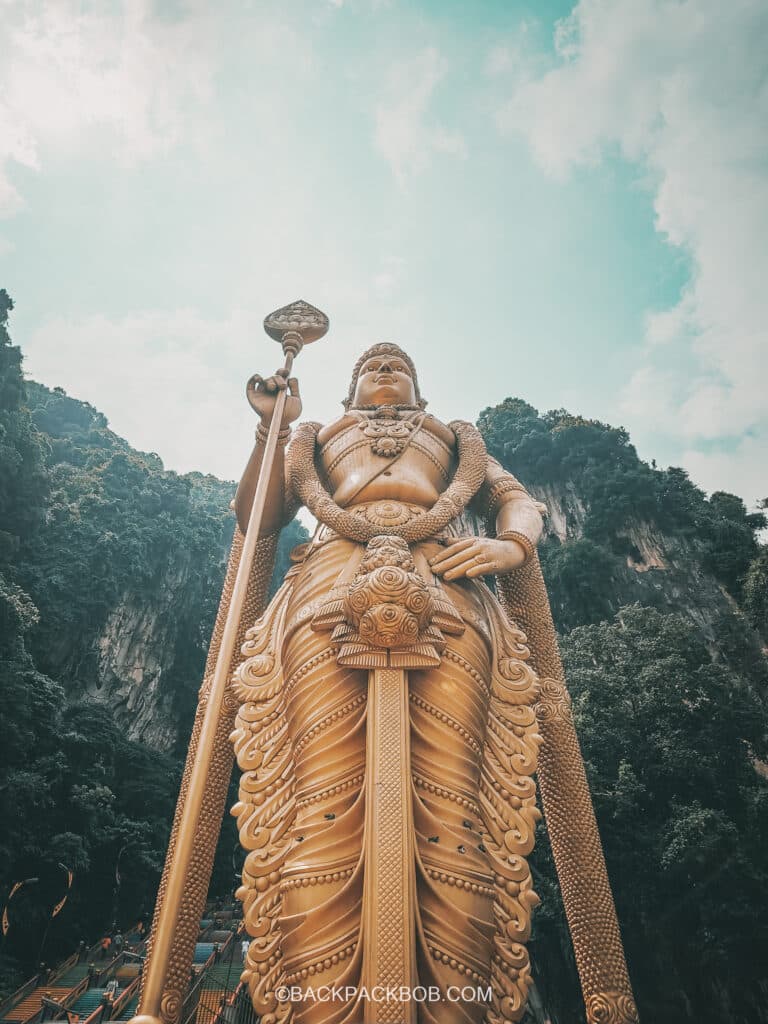
The iconic Golden Statue of Lord Murugan is more modern than you might think. It was not completed until 2006. Made of steel and concrete, it took over 150 liters of gold paint to cover it. It is the tallest statue in Malaysia and the third tallest Hindu statue in the world.
The Batu Caves are now a popular place for tourists to visit. The rainbow staircase is a photographer's dream, and the entrance fee to the cave is surprisingly free. The caves, open all year round, are a popular place to celebrate the Thaipusam festival in February, when over a million Tamil people come to worship and celebrate.
The Batu Caves are located just outside of Kuala Lumpur, in an area called Gombak.
There are two choices on how to get to Batu Caves from Kuala Lumpur, you can either book a Batu Caves Tour, or take the train there yourself. The most popular way to visit the Batu Caves is to join a tour because you'll be able to combine visiting the Batu Caves with other sights around Kuala Lumpur, such as the Petronas Towers.
You'll also be able to learn a lot about the Batu Caves from the tour guide. The cheapest private tour costs 60 MYR. I recommend taking a tour if you budget allows for it.
Some popular Batu cave Tours, in in Kuala Lumpur:
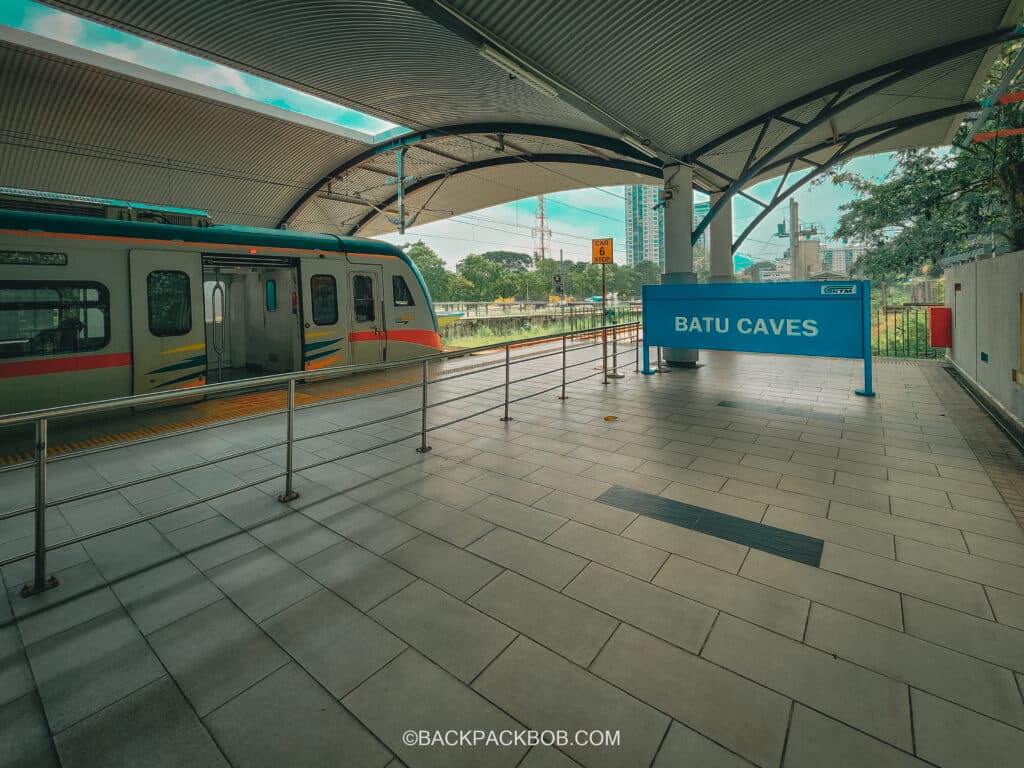
If you are on a tighter budget you can take the KTM Laluan Train (Blue Line), from KL Sentral. In fact, that is exactly what we did. The train to the Batu caves takes around 45 minutes. A return ticket now costs 16.20 MYR, or a single costs 9.20 MYR.
Tickets are sold at the KTM Ticket Counter inside KL Sentral Station, you can use cash or credit card. There is no need to book tickets online.
When you arrive, the Batu Caves Train Station is right outside the complex. It is very convenient.
The trains to the Batu Caves leave around once per hour, so it's a good idea to check the train schedule ahead of time.
Note: The price of the train to Batu Caves has increased significantly since the events of 2020. The one-way ticket now costs 8.60 MYR. The return ticket costs 16.20 MYR. Some sites still show the old price which was 2.40 MYR. The train is still the most affordable choice. A taxi or Grab will cost around 40 MYR.
It's free to enter the main cave at Batu, its free to go inside and its free to climb the rainbow coloured stairs. A return train ticket costs RM 16.20. And a tour costs around 60 MYR. Here is a breakdown of costs.
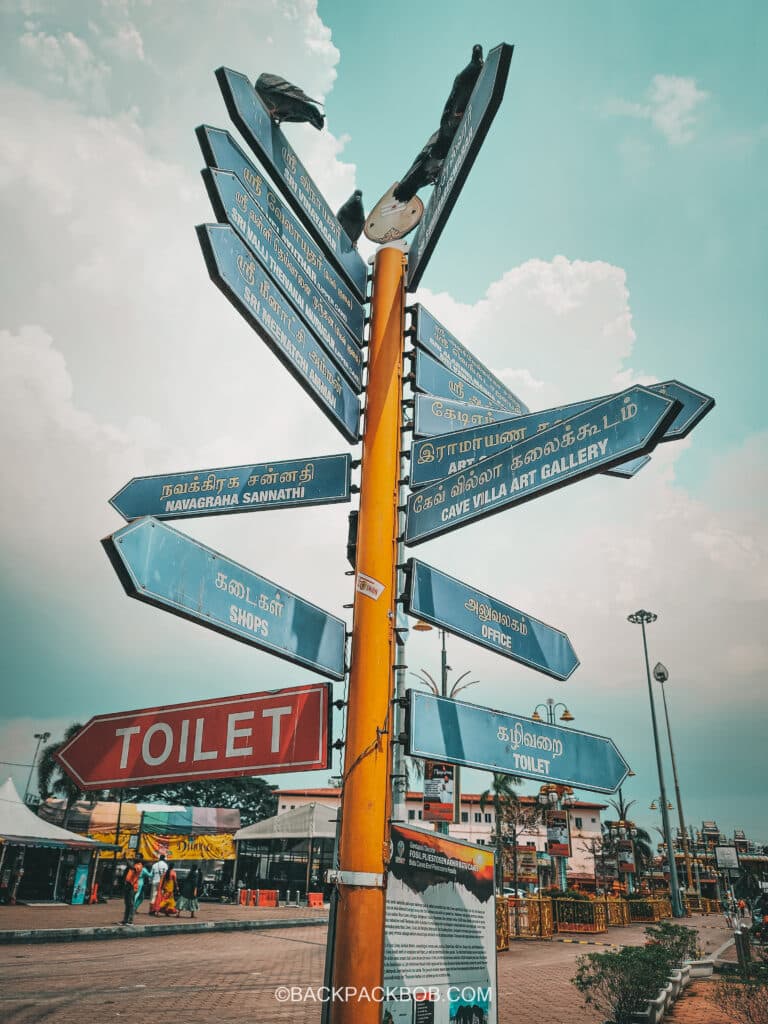
There are three other caves at the Batu Complex, which have admissions fees; Dark Cave(RM35), Cave Villa(RM15), and Ramayana Cave(RM5).
We spent almost 200 MYR visiting the Batu Caves. This included train tickets for two, snacks and drinks at the cave complex, entrance fees for the Ramayana Cave, and 120 MYR on scarves to cover my girlfriend's shoulders. We were surprised by how expensive the visit was, especially since the attraction is technically free. In hindsight, we would have been better off booking a tour, which would have cost us about the same.
The Batu Caves are a complex of four caves, the main cave being the most popular and free to enter. The other three caves, have entrance fees.
In addition to the caves, there are several statues to see, along with the 140-foot tall statue of Lord Murugan. There are also statues of Hanuman, the monkey god, and the sacred Hindu cow. Other activities at the Batu Caves include rock climbing, a peacock farm, and a snake charmer- at the temple entrance.
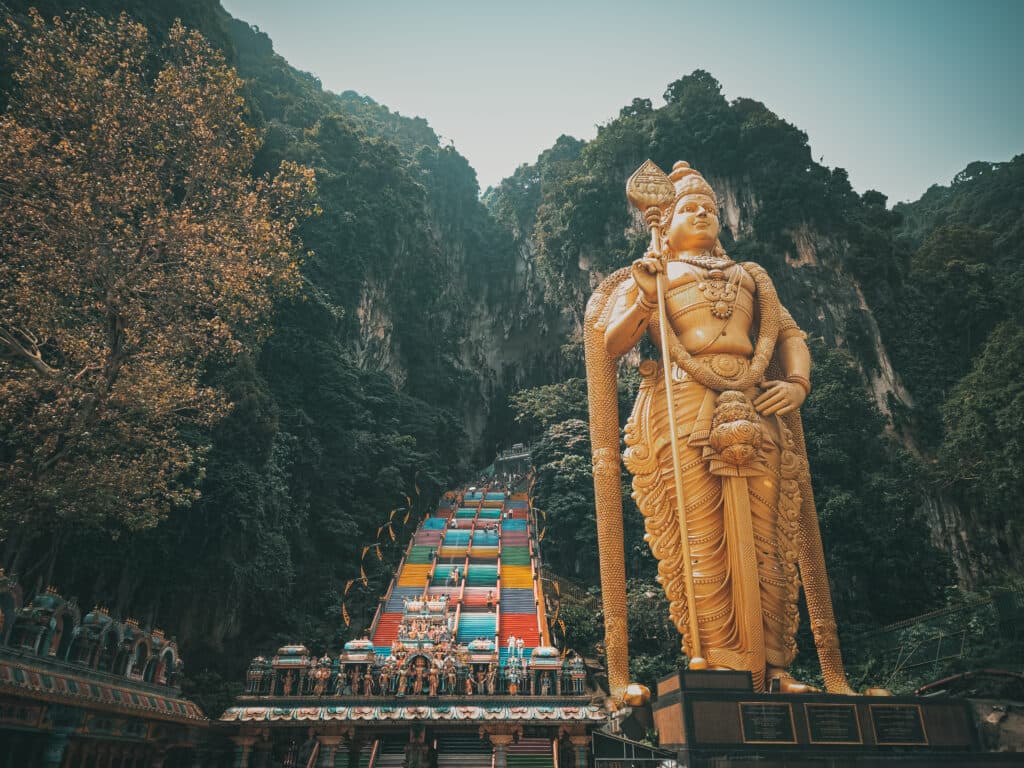
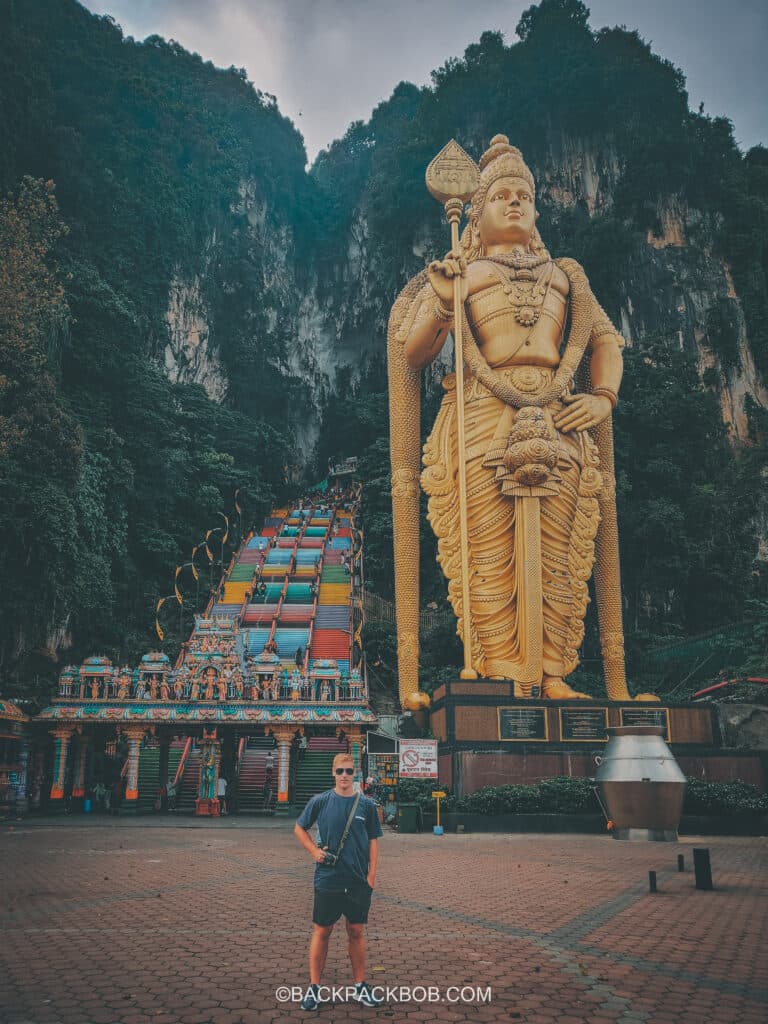
The Batu Cave is the most famous cave in the complex. It is reached by climbing a rainbow-colored staircase of 272 steps. The cave itself is fairly small, but it houses a couple of Hindu temples and shrines. There is also some makeshift accommodation for the local people who live in the cave. The Batu Cave is free to visit and enter, but donations are appreciated.
The Dark Cave is the second most popular cave at Batu Caves. It is the largest and most impressive cave, with 2 kilometers of passages, but only 450 meters are open to the public. You need to purchase an "Educational Tour" ticket to enter (35 MYR). The 45-minute tour includes a guided walk and explanation of the cave's geology and wildlife. Home to bats, insects, and other cave-dwelling creatures, the Dark Cave also features stalactites, stalagmites, and flowstones.
The Ramayana Cave, (officially) known as Suyambu Lingam, is the first cave you will see when you enter the Batu Cave Complex. It is a Hindu temple that costs 5 MYR to enter. Unlike the Batu Cave, the Ramayana Cave is much quieter. This is because the entrance fee deters many tourists.
The outside of the cave is quite dull, but the inside is a different story. The cave is illuminated with bright lights and colors. The walls of the cave are covered in Hindu artwork, depicting scenes from the Ramayana epic. There is also a large statue of Hanuman, the Hindu monkey god.
Cave Villa is the closest cave to the main Batu Cave, and it costs 15 MYR to enter. It is a small, well-lit cave that is home to a number of birds, parrots, and small animals. However, this cave has been described by some as the "world's saddest zoo" because the animals are kept in small cages. I did not visit Cave Villa, and I do not recommend that you do either. The animals in this cave are clearly not well-cared for,
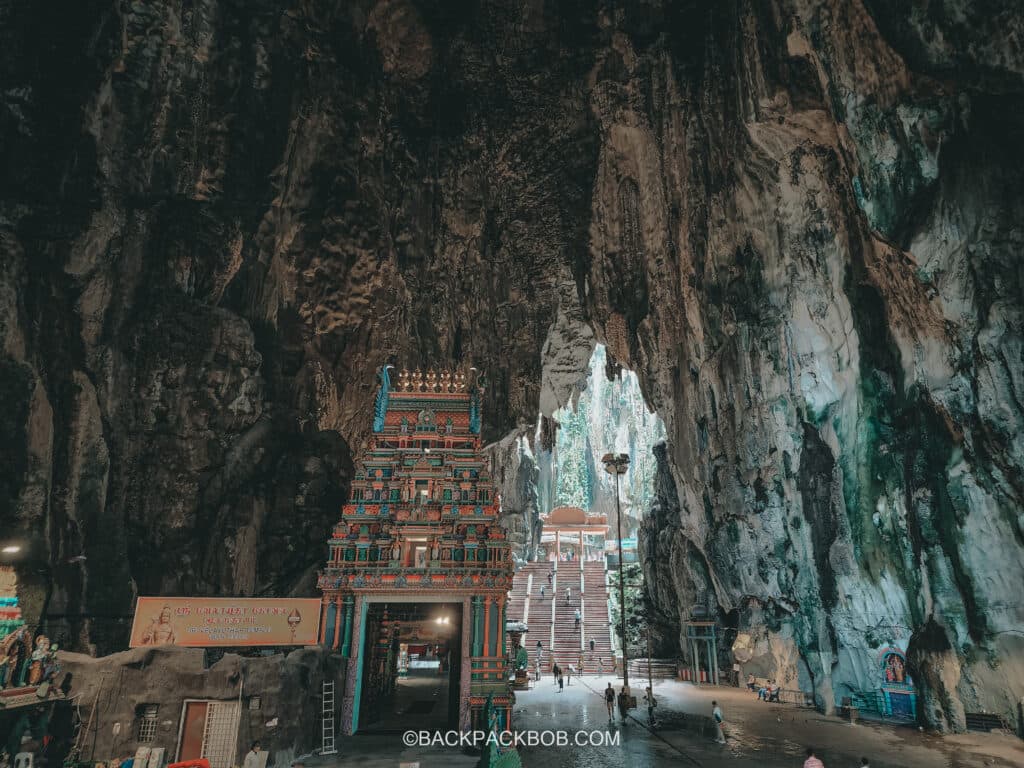
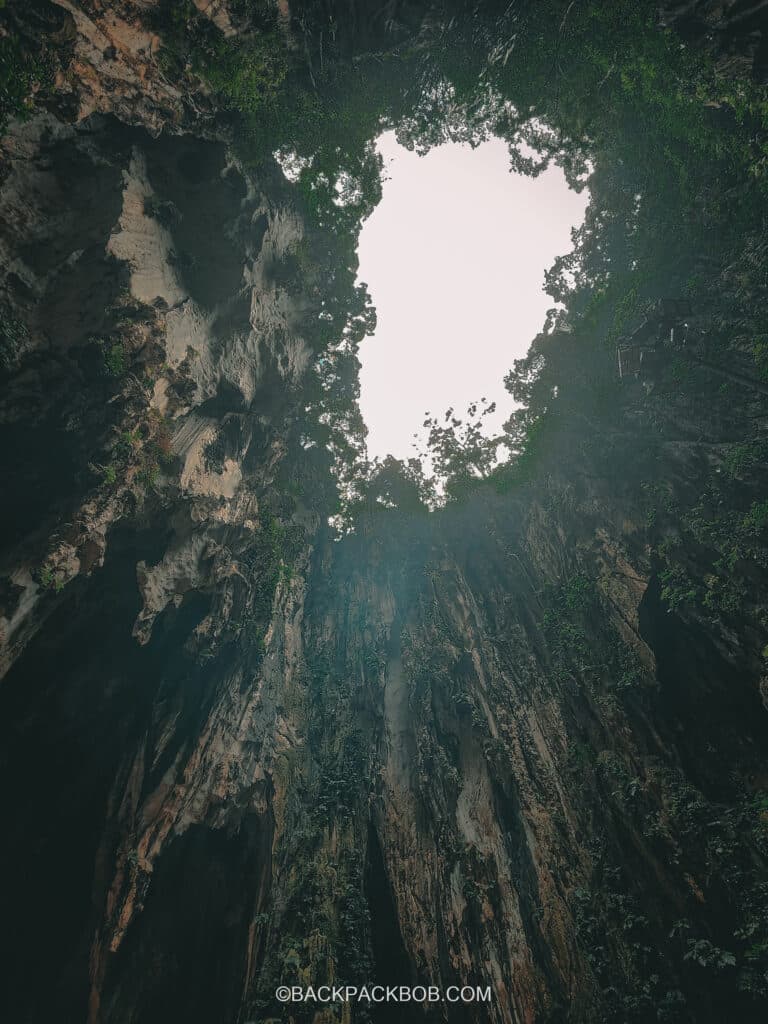
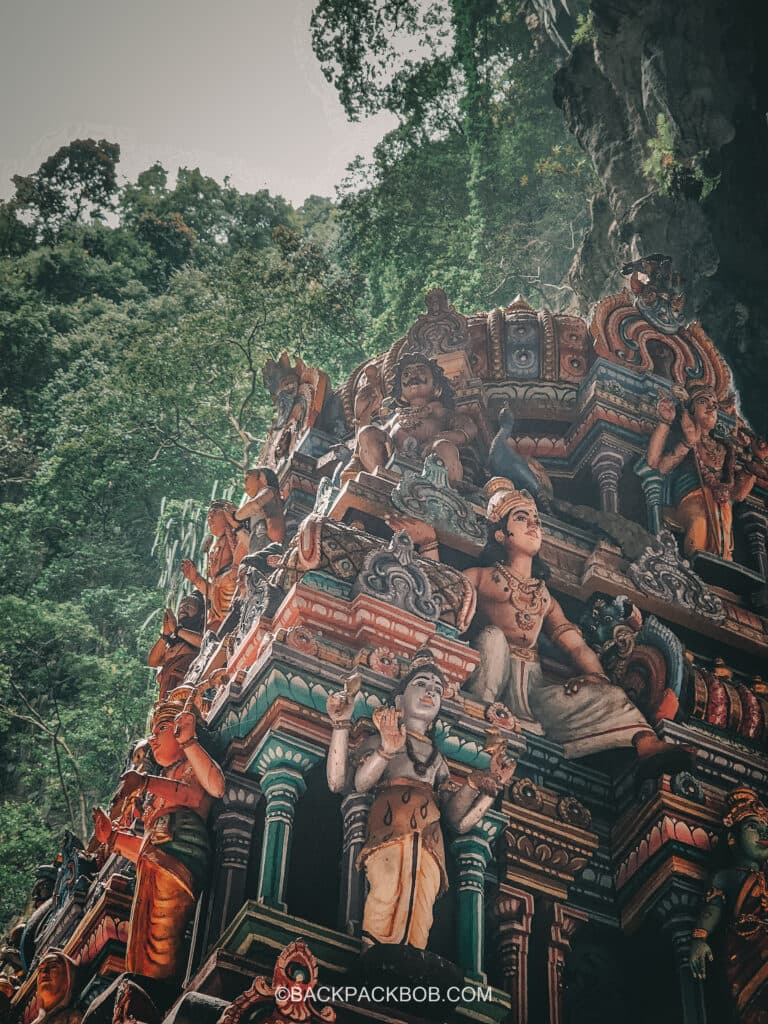
After ascending the colorful staircase to the top of the Batu Cave, you will walk through an archway to enter the cave. The first thing you will see is a souvenir shop. Deeper inside the cave, there are two Hindu temples. There are also a number of shrines dedicated to different Hindu gods, dotted around the cave's interior. The cave itself has an opening from th ceiling, so there is plenty of light.
The Batu Caves dress code caught us off guard. We had neglected to do our research and didn't consider the dress codes imposed at religious sites. Having lived in Asia for long-enough, and with an extensive travel history in the region. We should have known better. Somehow, we had overlooked it at the Batu Caves.
Usually, at most temples, especially the ones that have become accepted as tourist attractions, there is a rental service for scarves. However, there is no such service at the Batu Caves.
Instead, we were denied admission and forced to buy scarves from the vendors at the entrance. The scarves were insanely overpriced, costing 60 MYR each. In the city, we could have bought the same scarves for around 10 MYR each. Feeling we had been taken advantage of put a massive damper on the visit, especially since we had to buy two scarves, one for the shoulders and one to cover the knees. Despite the fact one scarf was enough to completely cover up, staff insisted we brought two, costing us 120 MYR! (but as we had brought the scarves we were free to hustle, and sell them on to other tourists at the bottom when we left).
In hindsight, we should have done our research and been prepared for the dress code. However, it's clear to see that vendors at the Batu Caves are taking advantage of tourists by overcharging for scarves.
I had mixed feelings about visiting the Batu Caves. It wasn't top of my list of things to do in Kuala Lumpur, and I had never visited them before on my business trips to the city. However, when I found myself on vacation in Kuala Lumpur, I decided it was time to check them out.
The caves were definitely an interesting sight to see, but I was surprised at how un-clean the entire site was, and also by how small they were. I expected them to be much larger, especially given the hype they receive as a tourist destination. There wasn't a lot to do at the caves, and it only takes about 30 minutes to climb the stairs and walk around the main cave.
Overall, I'm glad I visited the Batu Caves, but I don't think I would make it a priority to go back again. Our trip was supposed to be free, but we ended up spending 120 MYR on a scarves alone. That interaction alone left me with no desire to return. If you're in Kuala Lumpur, sure, it's worth checking out, but defiantly don't go out of your way to see the Batu Caves, and don't set your expectations too high, because it's really not that special.
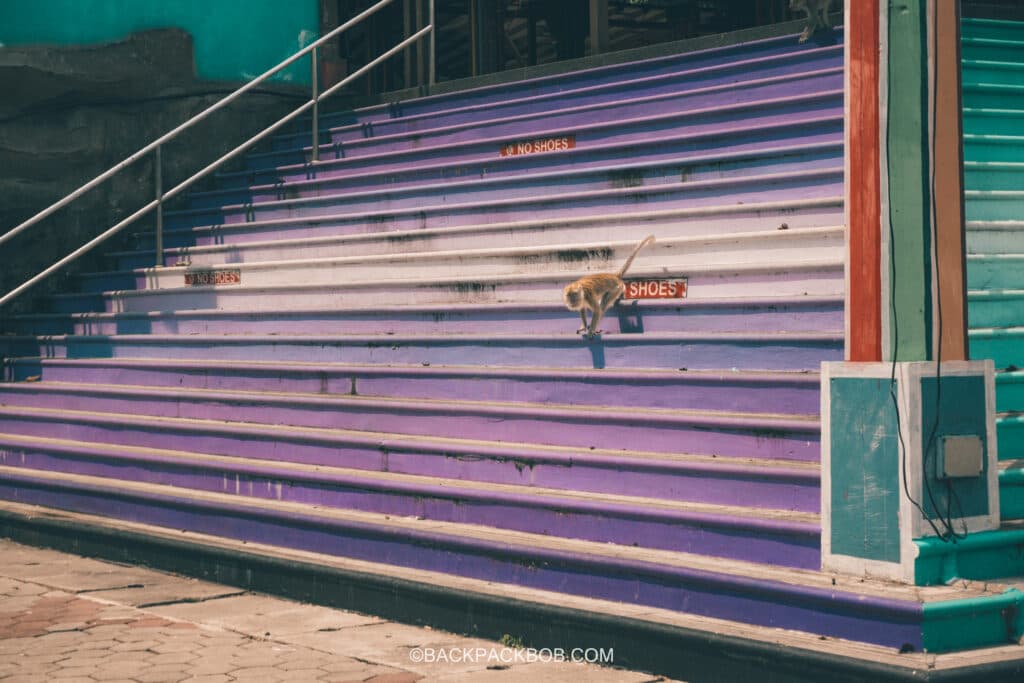
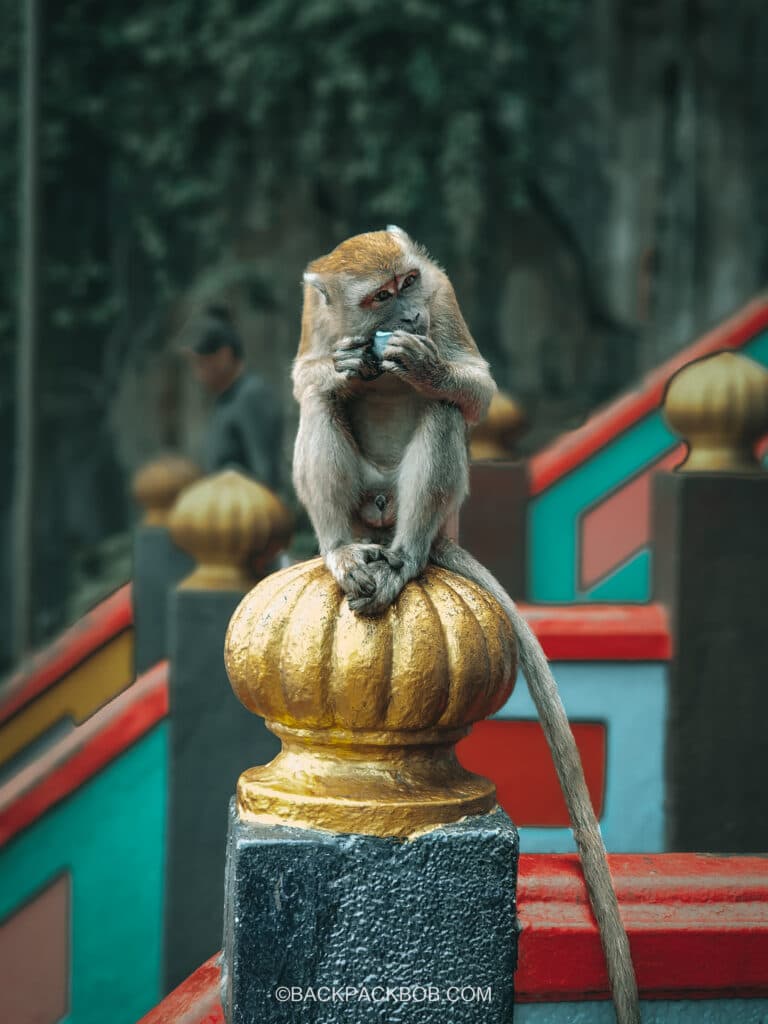
Go and see the Batu Caves if you are in Kuala Lumpur, it's a cool tourist place to visit, just don't set your expectations too high. Taking the train from KL Sentral is the cheapest choice to get there, although I recommend booking onto the Batu caves Tour. The main Batu Cave is free to enter, but there are three other caves in the complex which have admission fees. And make sure to dress with your knees and shoulders covered, because as we learned, you'll need to spend 120 MYR on a sarong to enter, if not. My top three tips for visiting the Batu Caves are to watch out for the Monkeys, visit as early as possible and bring plenty of water hidden in a zipped backpack.
Robb, who finds it a little unusual to write about himself in the third person, has been living in Southeast Asia for over 10 years. He works online and is based in Bangkok, Thailand. During this time, he has had the chance to travel extensively throughout this beautiful region.










Leave a Comment