When Is the Best Time to Visit Thailand - Weather, Prices & Crowds
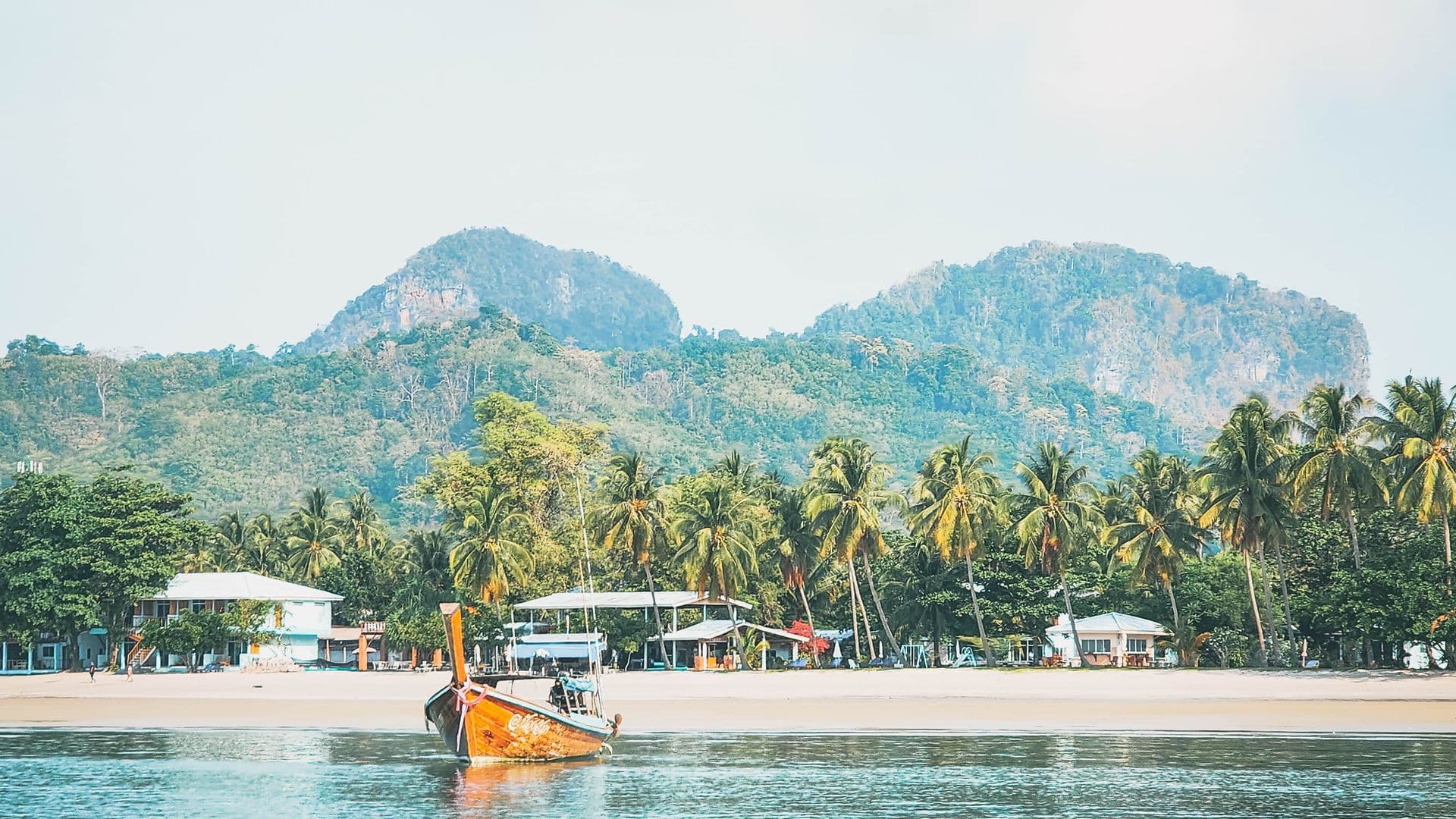
Finding the time to travel is not always easy and you want to make sure you’re picking the best month to visit. But, to be honest, there is never a bad time to visit Thailand.
Best overall: Mid-April to Mid-May
Best weather: Nov–Feb (busy + expensive)
Best value: May–July
Worst month: September (rough seas + rain)
Best for Backpackers: Low season
Best for Families: High season
Thailand’s annual climate goes something like this:
Hot → Hot → Even hotter → Rain (but still hot) → Repeat.
-768x512.png&w=1920&q=75)
Weather isn’t the only thing to be considered when deciding the best time to visit Thailand. Avoiding the peak tourist season can be pleasant too; fewer people, quieter attractions, and accommodation prices that can be 50% cheaper or more.
Everyone wants to time their Thailand trip to perfection. Everyone wants guaranteed sunshine. Totally understandable, but not practical.
People stress about this way too much.
Don’t overthink things. If you have the time and the money, the right time to go is now.
…unless you’re reading this in September.
Fuck September; the weather will be bad and the sea will be rough.
In this guide I will share when the tourism season starts and ends, what does it mean by high season & low season, what to expect through the months in Thailand, and what I would consider when picking the best time to travel to Thailand.
Most people only consider the weather when planning a trip to Thailand. Which month has the best weather? (In fact if you are planning a trip to Thailand, take a look at my 2 week example itinerary here).
Sure, check the weather, but that's only part of the question, there are two other things you need to consider before booking that flight to Thailand.
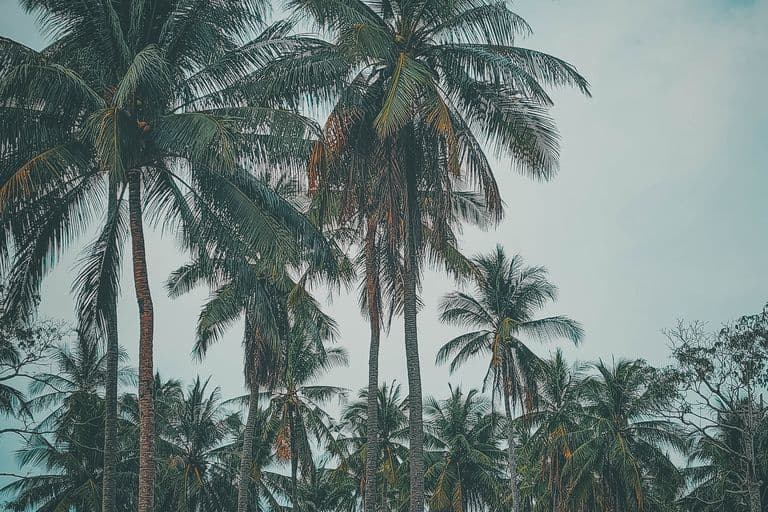
From November to April, Thailand is packed. Accommodation prices explode, flights cost more, and tourist attractions are crowded.
Low season, on the other hand, offers:
Yes it’s important to consider the weather and the seasons, but don’t overlook these other factors; for some people, the lower prices in the low season are more important.
Ok, I get it, you just want to know when is the best time to visit Thailand, so, if you’re fishing for a specific date then here it is.
👉 The best time to visit Thailand is between April 10th to May 10th.
This month-long window covers the transition from high to low season.
Why it works so well:
Songkran Festival which takes place usually on 13-14-15 April, and it’s one of the most unique experiences you can have in Thailand. Read more about Songkran in my list of the best things to do in Thailand.
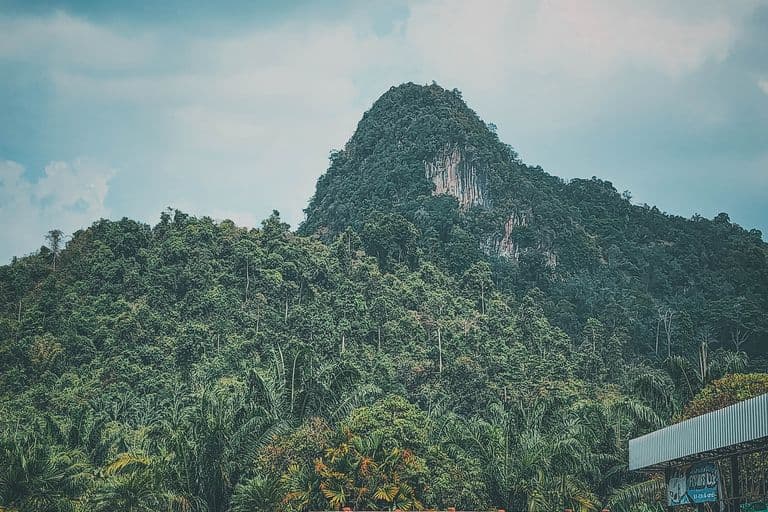
Thailand in the low season is absolute paradise.
Hotels are empty. Tourist towns are peaceful. Airports have no queues. Islands feel like paradise again.
Then, sometime in November, it’s like the entire world agrees to show up at once.
Flights flood in. Prices jump. Crowds return. And come mid-April, it all disappears just as quickly as it began.
Once the high season ends, Thailand returns to normal, and it’s glorious.
Picking which season to travel to Thailand depends who you are. How do you like to travel? And who will you be traveling with?
If you’re booking a family trip, have all your hotels booked, your return flight booked in advance, etc. The high season is probably best. Sure, prices will be higher and tourist areas will be busier, but this can be mitigated slightly by booking accommodation in advance. And opting for private tours.
But… if you’re in your 20’s and you want to backpack solo; low season, 100%, your plans are flexible, costs are much cheaper, and you won’t struggle to socialise and find things to do, and it doesn't rain as much as people think during the low season.
From November to April, demand in Thailand is at its highest, and prices rise across the board. Accommodation, flights, and some activities all cost more, and availability becomes just as much of an issue as price.
This doesn’t mean Thailand becomes unaffordable, but it does mean planning ahead matters, especially if you care about value.
Hotels in peak season are fucking expensive. You will struggle to find value for money without booking months ahead. This is an issue Thailand needs to address.
Since tourism returned post-pandemic, prices have risen sharply, and in many cases you’re stuck paying European-level prices for low quality accommodation.
Rooms that cost 500 THB in low season commonly jump to 2,500+ THB in high season. Mid-range hotels priced around 3,000 THB in the off-season can creep up to 10,000+ THB during peak months!
Accommodation options are often limited and usually overpriced in peak season. Hostels which used to provide a low cost place to stay for backpackers now end up costing almost the same prices as hotels, and any decent-value rooms sell out quickly.
Flights; both domestic and international, all follow the same pattern of increased costs in the high season.
The average cost for a flight from Bangkok to Phuket, (a typical route often flown by tourists), usually costs around 900 Baht out of season.
During the peak season months the same ticket can increase to around 2,500 Baht, more than double, and if you want to fly in the weeks before or after New Years, then the cost can be closer to the 4/5,000 Baht mark. International flights also tend to be more expensive during this period.
Tour prices are more stable than accommodation and flights, but they do still increase.
Most operators raise prices by around 10–20% during the New Year period, and popular tours are fully booked daily. The bigger issue isn’t just cost - it’s crowding.
You’ll often end up sharing tours with more people, while multiple operators visit the same locations at the same time. If you’re traveling during peak season, booking well in advance and opting for private tours where possible makes a noticeable difference to the experience.
The weather in Thailand is unpredictable. Traveling in the high season is not a guarantee of perfect weather, and traveling in the low season is not a guarantee that it will rain all day.
This is where a lot of tourists go wrong.
People check their weather apps, see rain every day, and panic. In the low season especially, your phone will happily report thunderstorms from morning to night - and people believe it.
In reality, when it rains in Thailand, it usually comes down hard for less than an hour, then clears up into a perfectly good day. The weather can shift back and forth quickly, and it’s not something that can be predicted accurately.
In cities like Bangkok, forecasts are slightly more reliable. On the islands, they’re basically useless.
Phuket is a perfect example. The Phi Phi Islands are about an hour away by boat - close enough that you can see one from the other - yet they can have completely different weather. Phuket can be dealing with flooding while an island 30km away has clear skies and blazing sun.
Yes, it’s more likely to rain during the low season. But it’s rarely a reason to cancel a trip, and it often won’t affect your plans nearly as much as people expect.
Something you should consider when traveling out of season in Thailand is that some services might be unavailable.
Land transport such as trains and buses run all year round. In fact, you’ll find it much easier to book train tickets, which are often limited, when traveling out of season.
Some services, such as speedboat routes to islands, might not be running.
For example, there is a speedboat running along the Andaman Coast in peak season, from Phuket to Koh Lipe, stopping at Phi Phi, Koh Lanta, and other islands along the way.
This boat only exists to satisfy tourists; so it stops running in the low season. You will still be able to get to all the islands, but you might need to travel by land first and take a local ferry instead. Basically you might need to do some extra planning and have a more flexible itinerary out of season.
You might not realise it, but pretty much every spot you’ve seen on TikTok or Instagram, or in photos, the beautiful beaches, and tropical surroundings. Most of these places are National Parks.
Most National Parks are open all year round, but some select sites close annually in order to preserve nature and give the environment a break from the many tourists who visit during the peak season.
The Department of National Parks releases a statement each year to indicate which parks will be closed and for how long. Some notable closures include:
Koh Phi Phi: The islands all remain open as usual, with an exception for Maya Bay which usually closes in August and September.
Mu Koh Similan: The Similan Islands are closed to all tourism from Mid May until Mid October, since protected turtle species come here to lay their eggs during this time.
Here is a link to the Google Sheet from the National Park indicating the area which will close this year. (Please let me know if this link no longer works): https://docs.google.com/spreadsheets/d/e/2PACX-1vTYUtL8LOsGzzW7XzLWyODdpfbgc1lv113UCM_ArqEj89YtCn1xyD6P6fQcqLlR1DzeZMDsVdmvaOh4/pubhtml?fbclid=IwY2xjawF9gUZleHRuA2FlbQIxMAABHbz-1BCYRvCP8ZWTt2p1Y4BOGoPif3Sutibq8nbsZKMSeYu0WcYqrjU1ng_aem_HpM-Oxk57PpJzxpZGAVjbg
Thailand is a massive country. The climate in Bangkok is not going to be the same as Chiang Mai
Yes, the country broadly follows the same high-season / low-season pattern, but conditions can vary a lot depending on where you are.
The further north you go, the slightly cooler it gets. Chiang Mai is generally more comfortable than Bangkok, and Bangkok is usually cooler than the southern islands, though don’t expect dramatic differences. It’s still hot everywhere.
Thailand has two completely different coastlines, facing two different oceans, the Indian Ocean & the Pacific Ocean:
Because these seas behave differently, it’s entirely possible to have rough water and bad weather on one side of the country while the other side has calm seas and sunshine.
This is where a lot of tourists get confused. People think in terms of “good weather” or “bad weather,” but in Thailand, both can exist at the same time, just in different places. Two people visiting Thailand in the same week can have completely different experiences depending on which coast they choose.
If you’re heading north, there’s one more thing to factor in: burning season.
Between February and April, farmers burn crop waste to prepare fields for the next season. It’s technically illegal due to air pollution, but enforcement is minimal. As a result, northern Thailand can experience poor air quality, haze, and occasional wildfires during this period.
October sits in an awkward in-between phase. It’s the start of the high season, the pre-season, and businesses know it. After a slow few months, prices begin creeping up in tourist areas, even though conditions haven’t fully improved yet. Thailand is still relatively quiet, but there’s a higher chance of rain, especially early in the month.
The problem with October is value. You can easily find yourself paying early high-season prices for a late low-season experience.
Ironically, the opposite happens at the end of the season when crowds thin out and prices drop, but the weather is still great.
This is peak season, and it’s when most people plan their Thailand trip.
Rainfall is at its lowest, temperatures are slightly cooler (by Thai standards), and sea conditions are usually calm.
The downside is that prices peak, popular destinations are extremely busy, and tourist hotspots feel exactly like tourist hotspots. This is when people start complaining that Thailand is “too crowded,” despite choosing the most popular time to visit.
In my opinion, April and May are the absolute best months to visit Thailand.
If you time it right, you’ll experience Songkran, Thailand’s New Year, which is chaotic, unforgettable, and unlike anything else. As April moves on, prices drop quickly, crowds thin out, and the country starts to relax again after the peak season.
Many national parks are still open, locals are in good spirits after a strong season, and the overall vibe shifts from frantic to laid-back.
The trade-off is heat. April and May are hot, very hot. Temperatures keep climbing until the first real rains arrive, something which is refreshing and brings the temperature down. That said, if it’s your first time in Thailand, it’s going to feel hot regardless. Don’t let this put you off what is otherwise the best balance of weather, price, and atmosphere.
April & May: Best balance of price, crowds, and atmosphere.
June and July come with a higher chance of rain and less predictable sea conditions, so it’s not the best time to build a trip entirely around islands and boat tours.
Instead, focus on northern and central Thailand. Cities like Bangkok shine during this period. Weekend markets, floating markets, day trips, massages, food, and slower travel all work well. Places like the River Kwai or Samet Nangshee are still great options too.
Accommodation prices drop significantly, and while you’ll need to be a bit more selective with your itinerary, there’s still plenty to see and do. It’s a solid time to visit if you value space, flexibility, and lower costs.
June & July: Great value if you’re flexible.
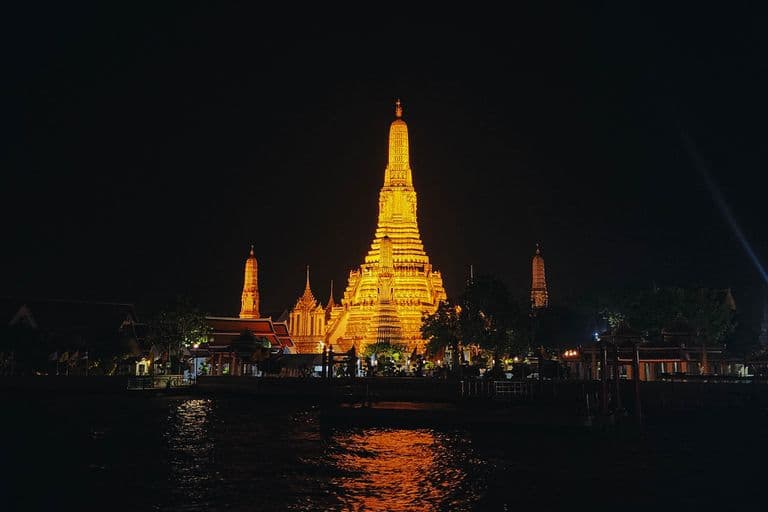
If September is your only option, it’s still worth going. Just don’t plan your trip around boats and beaches.
August and September see the fewest tourists of the year. That means peace, quiet, no queues, and incredible hotel deals. You can stay in high-end resorts for a fraction of the price you’d pay in peak season.
The downside is southern Thailand. Sea conditions are likely to be rough, and some tours or routes may not be running. If you can delay until October or November, you’ll likely have a smoother experience, but if these months are your only window, don’t let that stop you.
Just adjust expectations, plan around land-based activities, and enjoy Thailand at its calmest.
August & September: Cheap, quiet, but plan to avoid the sea.
To summarise, Thailand has anywhere from 2 to 4 seasons depending who you ask and which part of the country you’re looking at. To simplify things the Peak Season is from November until April and the Low Season is from May until October.
Weather is likely to be better in Peak Season (cooler temperatures and calmer seas), and it’s more likely to rain and have extreme temperatures (hot hot hot)! During the low season. But there is never any guarantee of perfect weather, so don’t overthink it.
If I could pick any time to visit Thailand, I would arrive in the Middle of April, and stay until the middle of May. But whatever time YOU have available, will be the best time to visit Thailand! The ideal time to visit for one group might not be the most ideal time for others.
Backpackers, long-term travellers and low budget travellers will generally be better off during the low season. But for those who are booking a vacation and can overlook the increased costs, the high season might be a better time to visit.
A few key dates to look out for; Christmas & New Years - book everything ahead of time. Hotels will be sold out, tours will be sold out, flights will be sold out. Songkran; (Middle of April), Songkran is Thailand’s New Year Celebration. If you’ve never experienced it before, it's a unique time to travel. And the entire month of September, this month has poor marine and sea conditions, it’s likely to rain, and coming right at the end of the low season, Thai people are less interested in tourism during this time and often focused on rebuilding their business for the upcoming season.
Basically: April for the smart ones, November for the sun-seekers, and stay home in September.
Robb, who finds it a little unusual to write about himself in the third person, has been living in Southeast Asia for over 10 years. He works online and is based in Bangkok, Thailand. During this time, he has had the chance to travel extensively throughout this beautiful region.



.jpg&w=640&q=75)









Leave a Comment